
.avif)



Shift 01
Beginning the Learning
FromBeginning with modeling
ToBeginning with sensemaking
Example
Teacher starts with a problem and lets students explore before demonstrating procedures.

NYC Solves is New York City Public Schools’ systemwide math initiative (launched in 2024–25) to ensure every student—starting in elementary—learns with a high-quality, coherent curriculum taught by well-trained and coached teachers. In elementary grades, schools are adopting problem-based materials (including DESMOS) and pairing them with ongoing teacher professional learning and coaching so instruction emphasizes conceptual understanding, procedural fluency, and rich problem solving aligned to standards.
As the initiative scales, the city is expanding NYC Solves across additional schools and grades so students experience consistent math teaching and supports as they move through the system—part of a broader effort to raise achievement alongside NYC Reads. For families and educators, this means a common scope and sequence, shared assessments and planning tools, and more instructional time spent on reasoning and real-world applications.
What it is & why we use it. Desmos (by Amplify) is a digital, problem-based math curriculum that helps students make sense of math—not just memorize steps. Its purpose is to build deep understanding, flexible thinking, and confidence through interactive models (dragging, sketching, sorting, graphing) and rich discussion. Instead of “Do these 20 problems the same way,” students explore why methods work, compare strategies, and explain their thinking—what many people call “new math.”
How lessons are laid out. Each unit is organized around a big idea (e.g., place value, fractions, patterns). A typical lesson starts with a quick warm-up (“Notice & Wonder,” “Which One Doesn’t Belong?”), moves into a few interactive screens where students try ideas and get instant feedback, includes short pauses for teacher-facilitated discussion, and ends with a brief cool-down check. Teachers see a live dashboard of student work, can pace the class, spotlight great thinking, and give timely support.
How it supports students.

Visual & hands-on: Dynamic tools help kids see math, not just hear about it.
Multiple ways in: Tasks have low floors/high ceilings, so every learner can start and then stretch.
Immediate feedback & safe mistakes: Students test ideas, revise, and grow persistence.
Language & reasoning: Explaining, sketching, and comparing strategies strengthen communication and understanding.
Teacher insight: Real-time info lets teachers target help and celebrate progress.
How you can help at home. Ask, “What do you notice? What do you wonder? Can you show me another way?” Encourage drawing, using objects, or explaining with words. It’s okay if an answer is “not yet”—the goal is sense-making first, shortcuts second.
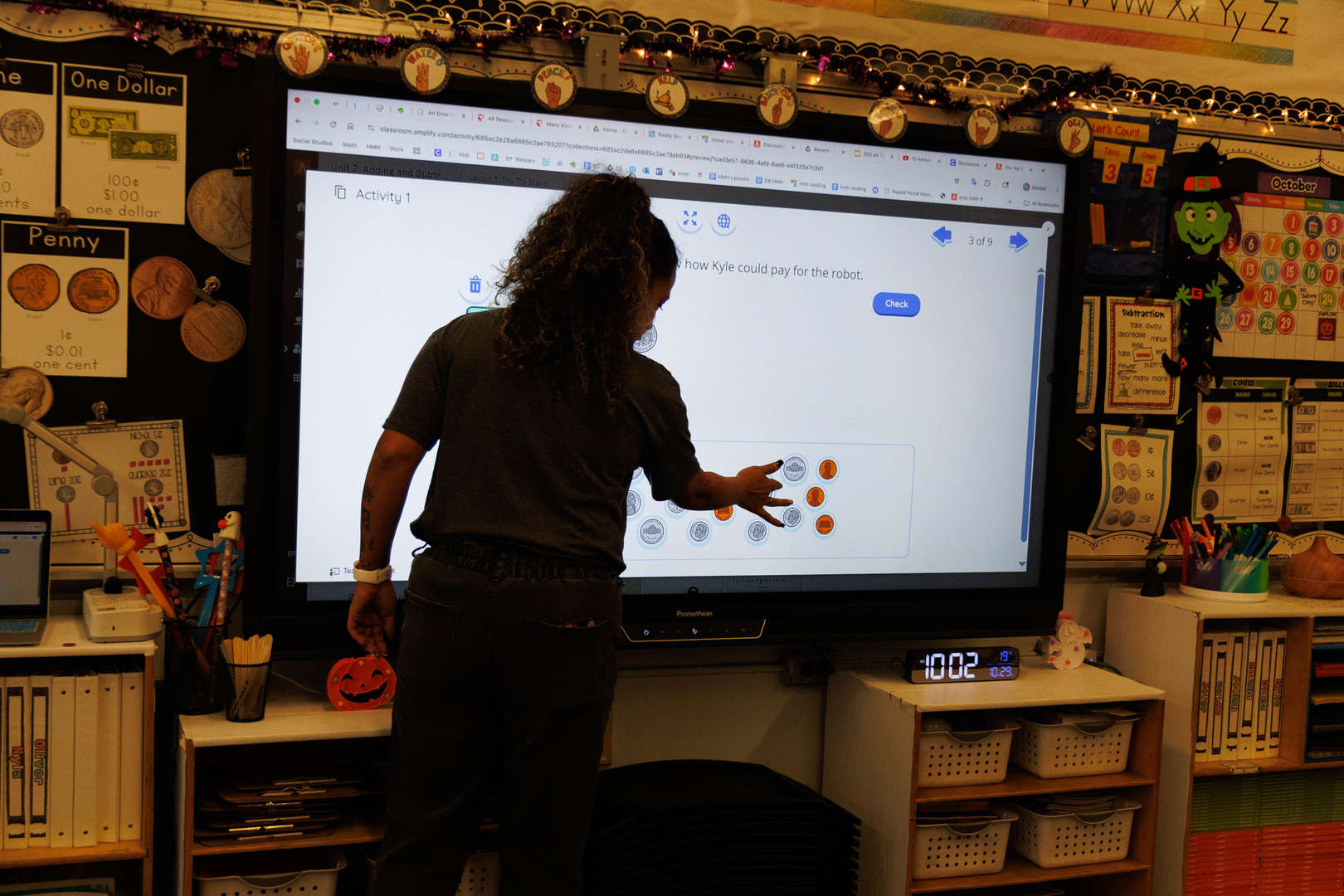
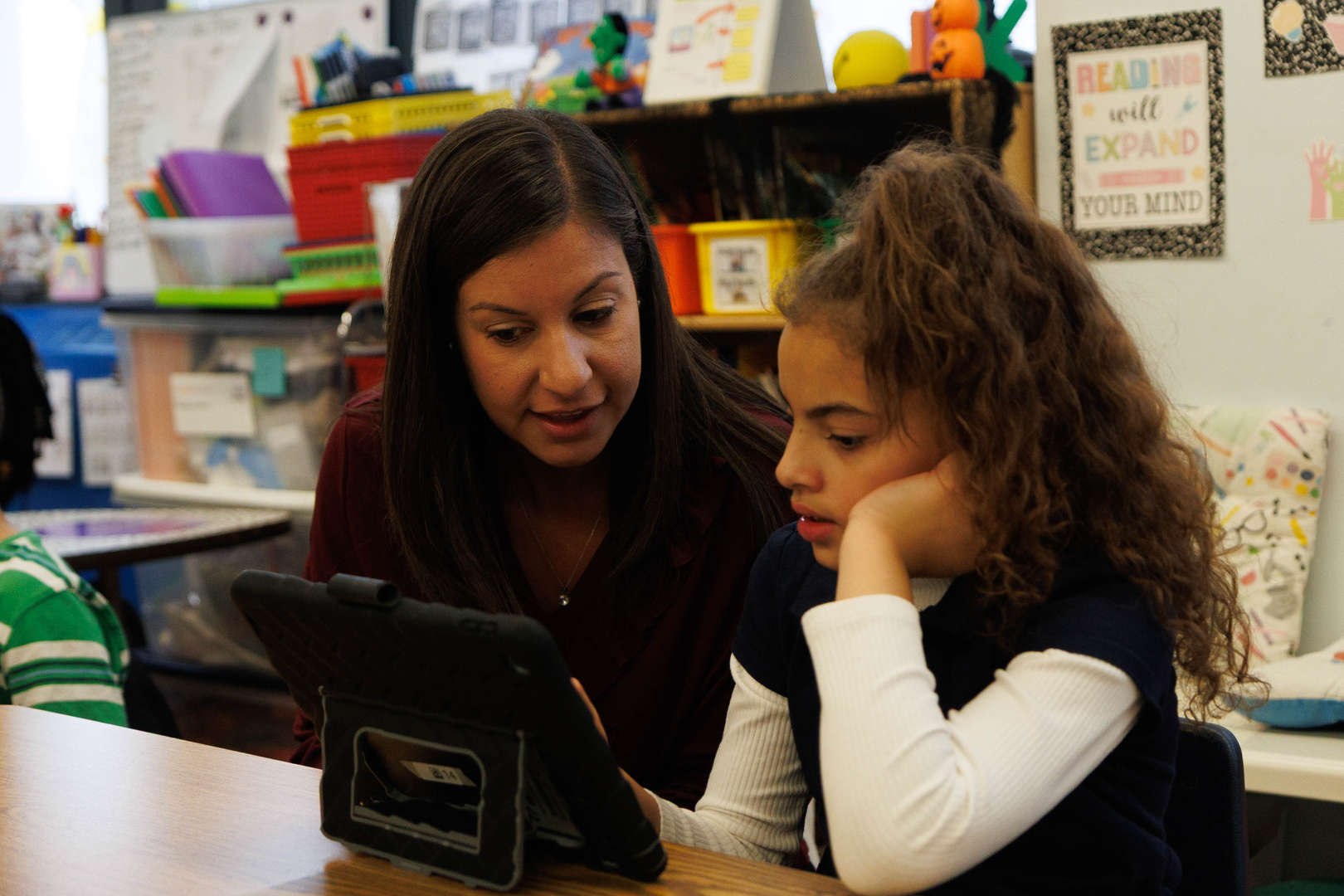
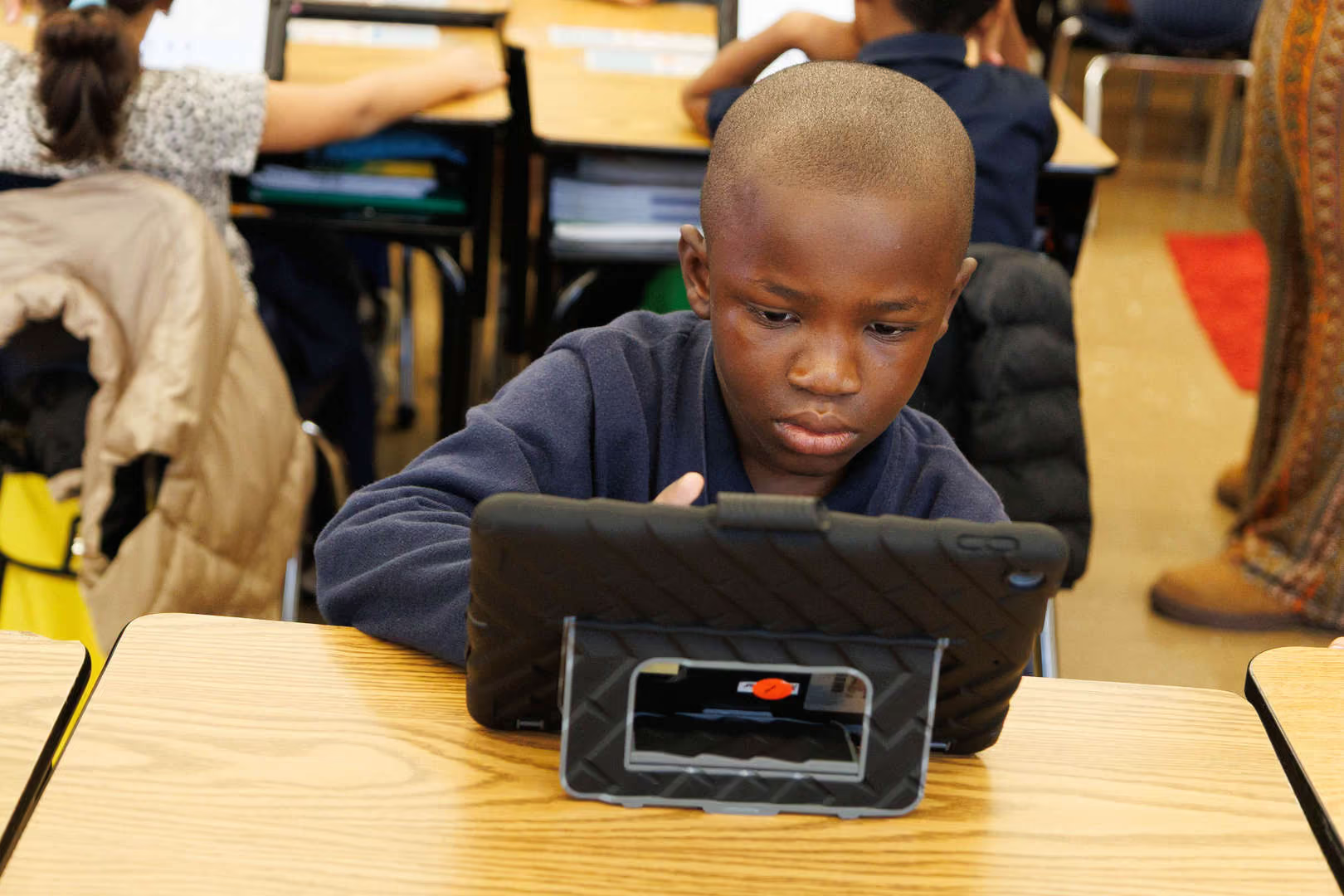
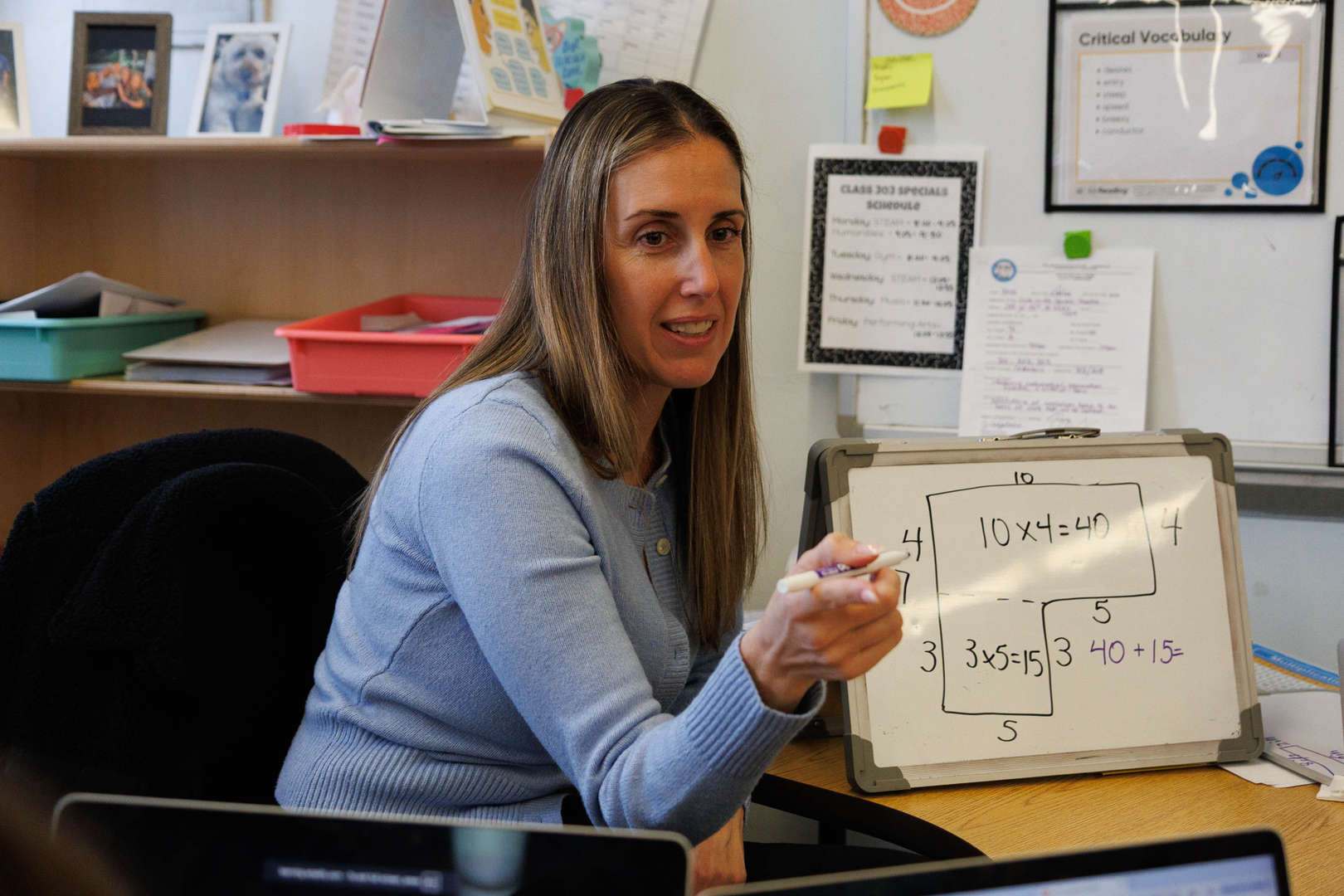
Our vision for teaching the Amplify Desmos curriculum is grounded in developing mathematically powerful thinkers who reason, model, explain, justify, and engage deeply in the Standards for Mathematical Practice. Amplify Desmos supports our shift toward a classroom culture where students do the thinking, not the teacher aligning directly with the "Five Practices for Orchestrating Mathematical Discussions"
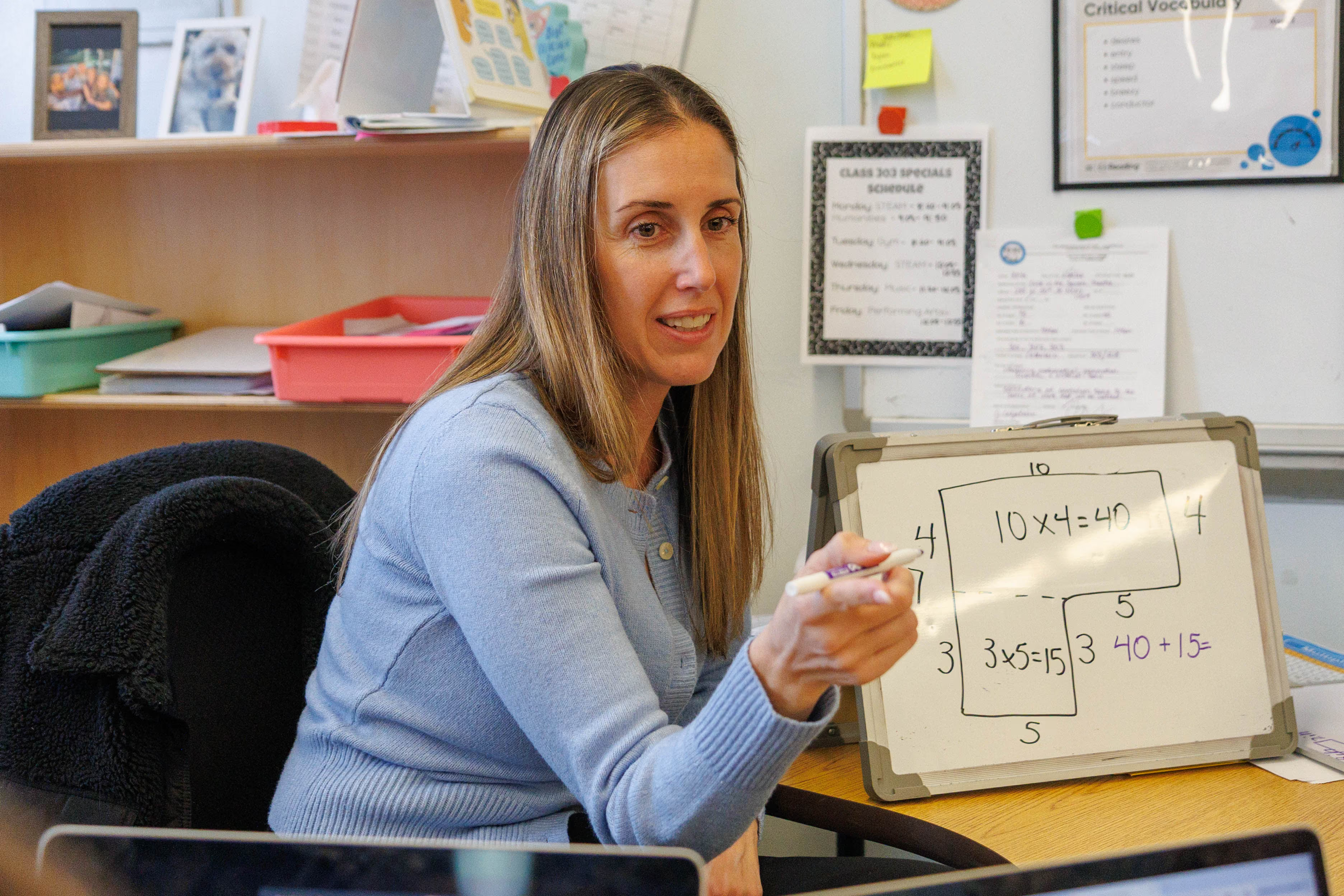

Our goal is to create math classrooms where students are active sense-makers who engage confidently in meaningful, productive mathematical discussions. Amplify Desmos gives us the platform; the Five Practices give us the structure; your instructional decisions bring the learning to life.
The NYCPS Mathematics Shifts represent a move toward classrooms where students actively make sense of mathematical ideas, collaborate around rich tasks, and build strong math identities. Instead of starting lessons with teacher-modeled procedures, instruction now begins with sensemaking, where students explore an unfamiliar problem and use what they know to reason, test ideas, and make connections. All students engage with the same low-floor, high-ceiling tasks, which ensures equitable access to grade-level learning while still providing opportunities for depth, creativity, and challenge.

Throughout lessons, discourse is used to develop understanding, not just to restate answers. Students talk, write, justify, compare approaches, and revise their thinking-allowing language and content to develop together. Teachers shift from identifying deficits to recognizing student strengths through an asset-based lens, which cultivates empowerment, perseverance, and positive math identities. Finally, instruction is grounded in shared high-quality instructional materials to ensure coherence, alignment, and equity across classrooms and grades. These shifts work together to ensure that every student experiences mathematics as meaningful, accessible, and intellectually rich.
Low-floor/high-ceiling tasks that welcome multiple entry points while pushing students toward conceptual depth.
Student-centered learning, where students problem-solve, debate ideas, compare reasoning, and build mathematical identities.
Purposeful facilitation, using the Five Practices as the backbone of lesson planning and discussion:
Practice 0/ Setting Goals & Selecting Tasks: Amplify Desmos lessons already provide rich, cognitively demanding tasks aligned to the lesson's mathematical goal.
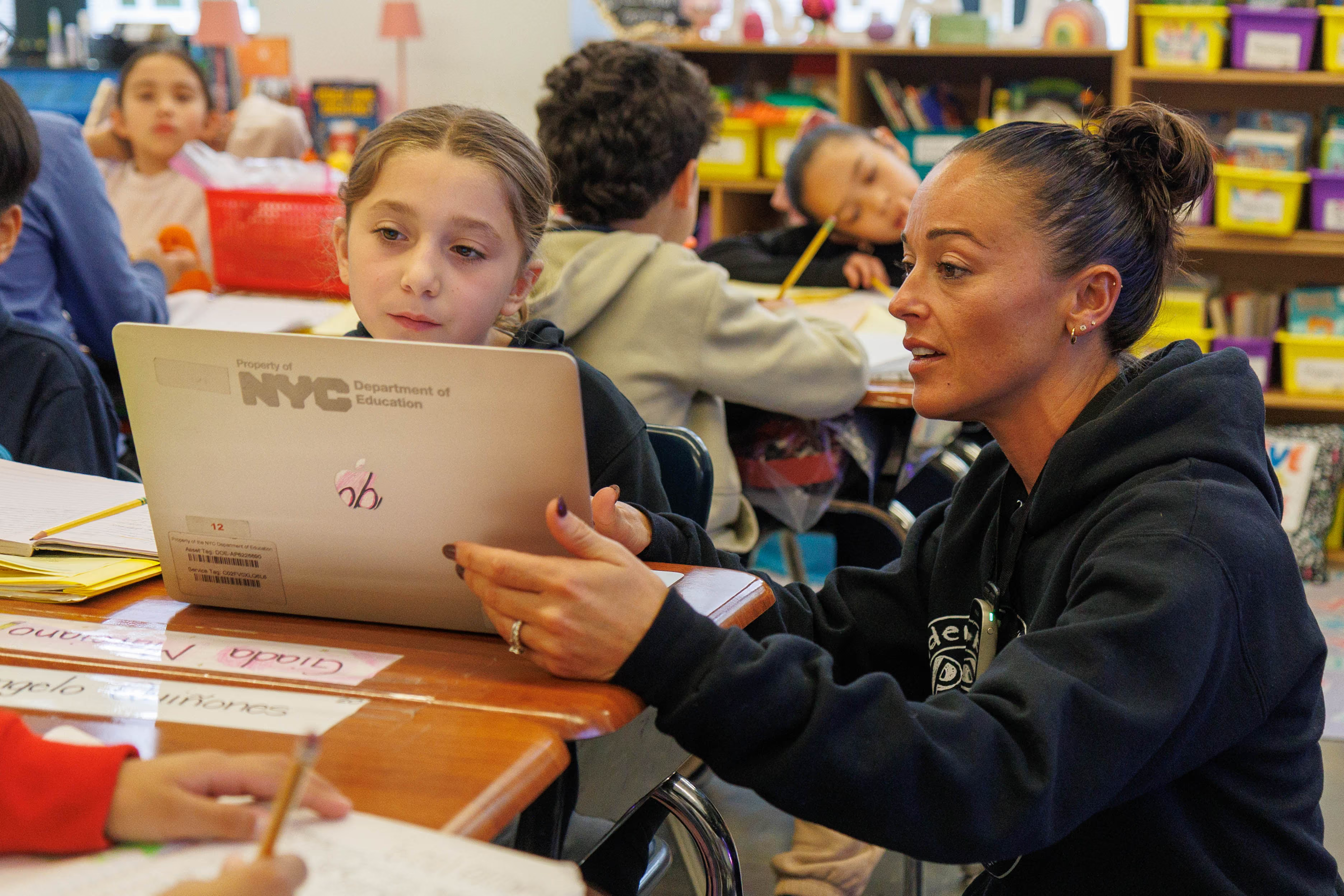

Practice 1 / Anticipating Responses
Predicting likely student approaches and misconceptions before instruction ensures readiness to probe and extend thinking.
Practice 2/ Monitoring
While students work within the Desmos platform, teachers circulate, ask probing questions, and use the dashboard to gather real-time data
Practice 3/ Selecting & Practice4/ Sequencing
Identifying and organizing specific student solutions to showcase strengthens conceptual understanding
Practice 5/ Connecting
Facilitating whole-group conversations that tie together key mathematical ideas and build coherence
This vision ensures every classroom cultivates mathematicians who can articulate reasoning, learn from peer strategies, and apply understanding flexibly.
To maintain consistency and promote student-centered discourse, the following workshop flow should be evident across all grade levels:
Launch/Warm-Up (5-7 minutes)
Exploration in Desmos (15-20 minutes)
Students engage in the Amplify Desmos activities while teachers:
Discussion & Synthesis (10-12 minutes)
This is the heart of the lesson where the Five Practices guide instruction:
Independent Practice / Application (10-15 minutes)
Exit Ticket / Reflection (3-5 minutes)
The Monitoring Tool in Amplify Desmos is one of the most powerful instructional levers teachers have for driving real-time learning and ensuring every student receives the support they need. As aligned to Practice 2: Monitoring from the Five Practices model, the tool allows teachers to watch student thinking unfold during the lesson-capturing strategies, misconceptions, pacing, level of understanding, and confidence. This real-time visibility enables teachers to confer strategically with students, ask targeted questions that advance reasoning, and identify which solutions to highlight later during the synthesis. The Monitoring Tool also supports differentiation by helping teachers form flexible small groups on the spot, intervene before misconceptions solidify, and elevate student strategies that align with the mathematical goal. Ultimately, effective use of the Monitoring Tool transforms instruction from passive observation to active facilitation, ensuring that student thinking drives the flow and depth of the lesson.
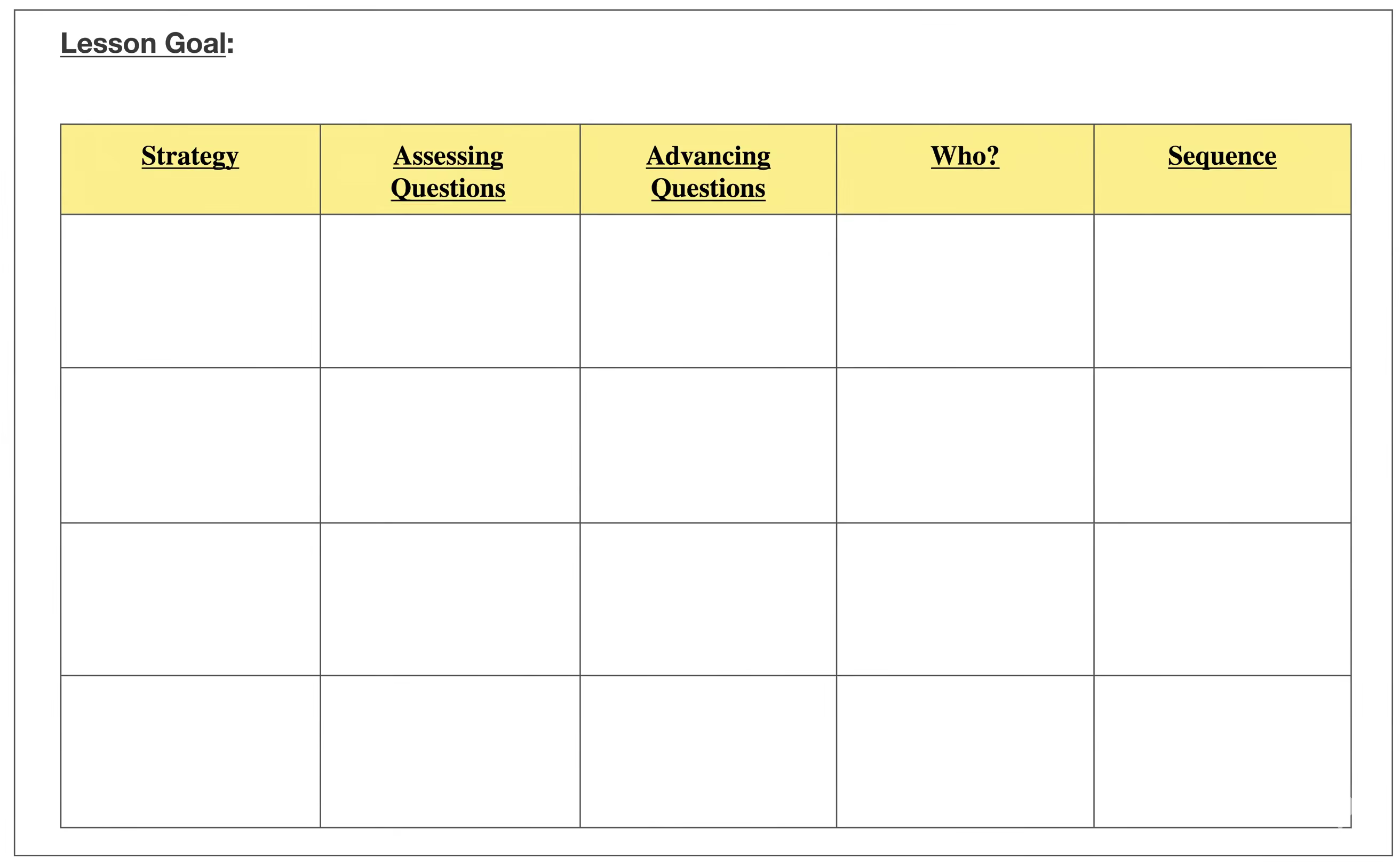
To address diverse learning needs and conceptual gaps, teachers must strategically incorporate scaffolds that promote deep understanding. The Five Practices serve as a powerful tool for differentiation and corrective instruction.
Strategic Use of the Five Practices for Differentiation
High-Impact Differentiation Strategies
Addressing Conceptual Gaps Specifically
This approach ensures differentiation is not just remediation-but intentional conceptual strengthening aligned to the Five Practices model.


2750 Lafayette Ave,
Bronx, NY 10465