
.avif)



Science Expos

Science expo!
What makes a science expo project such a great learning experience is that it involves so much more than science.
A science expo project even provides an opportunity for the discussion of ethical issues, such as plagiarism and falsification of data. Indeed, such a discussion is highly recommended. The ease of copying information from the Internet is hard to resist, and many students are far ahead of their teachers in understanding what is possible.
Of course, learning about science is at the heart of a science expo project. Our society relies more on science every day, and science expos are a great way for students to become more knowledgeable about how the world around them works. Every citizen needs sufficient scientific literacy to make educated decisions about what he or she reads in the media, about health care, and about other everyday problems.
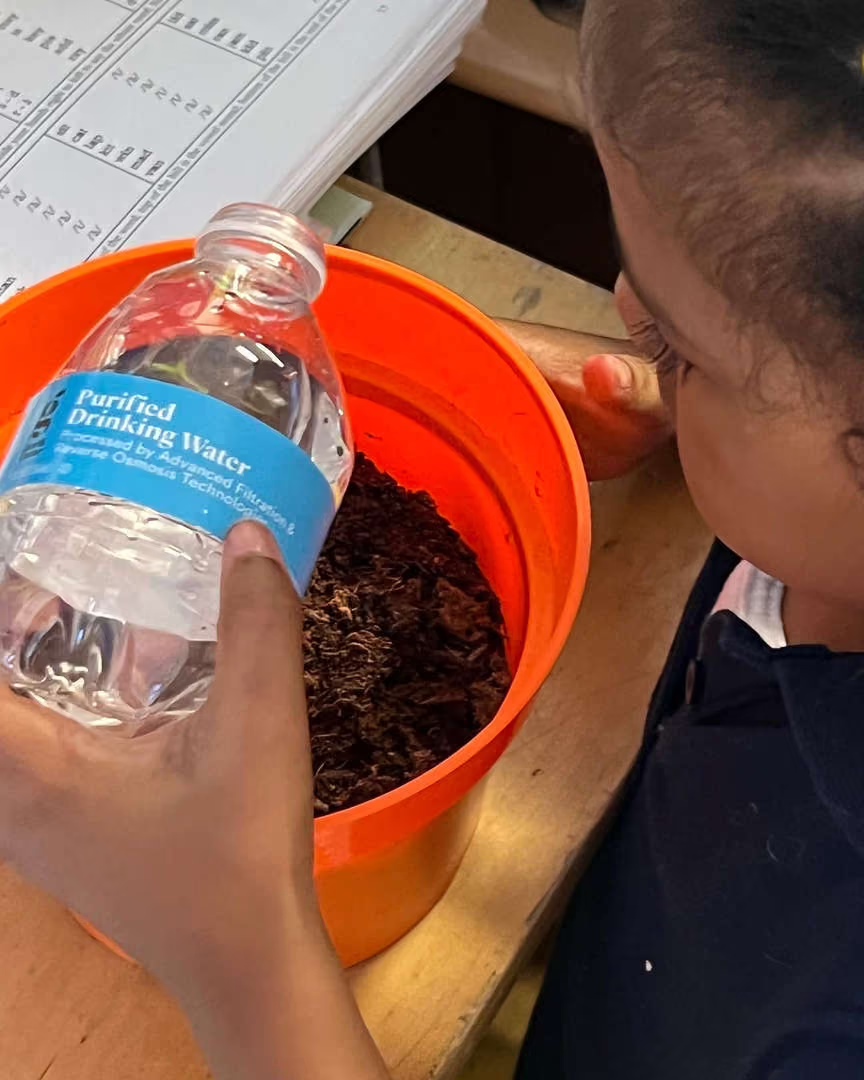
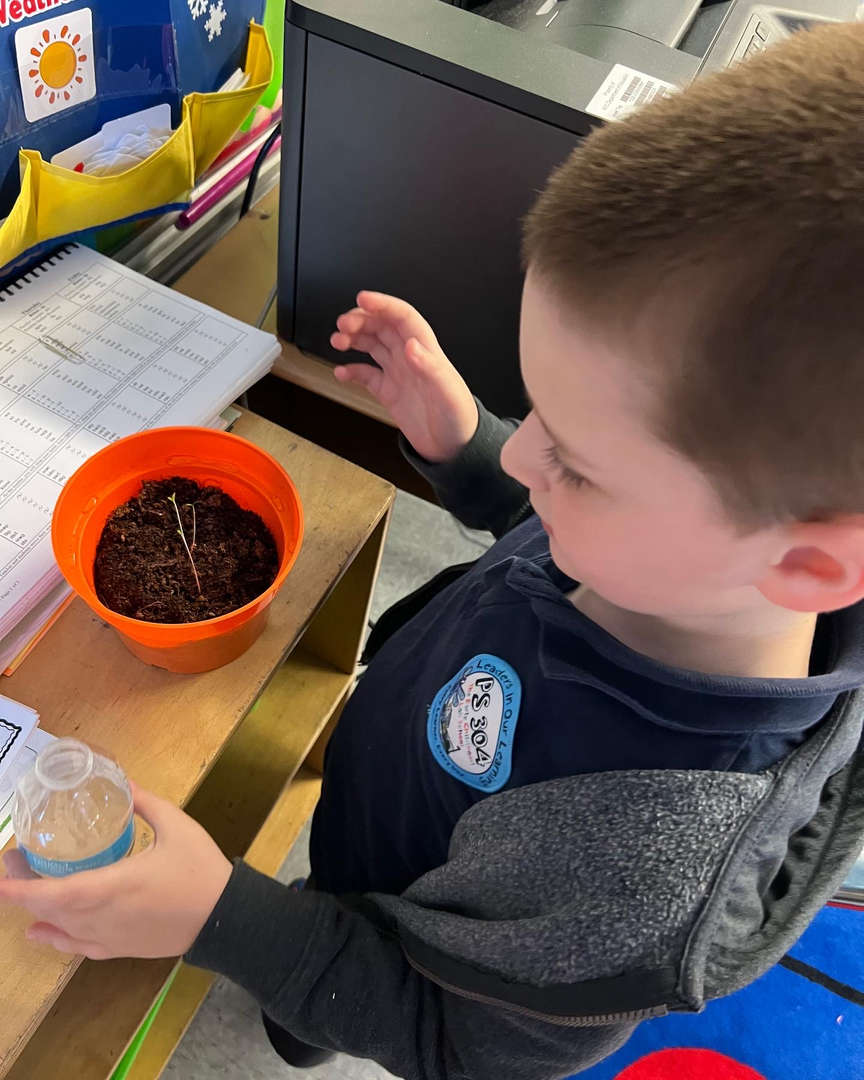
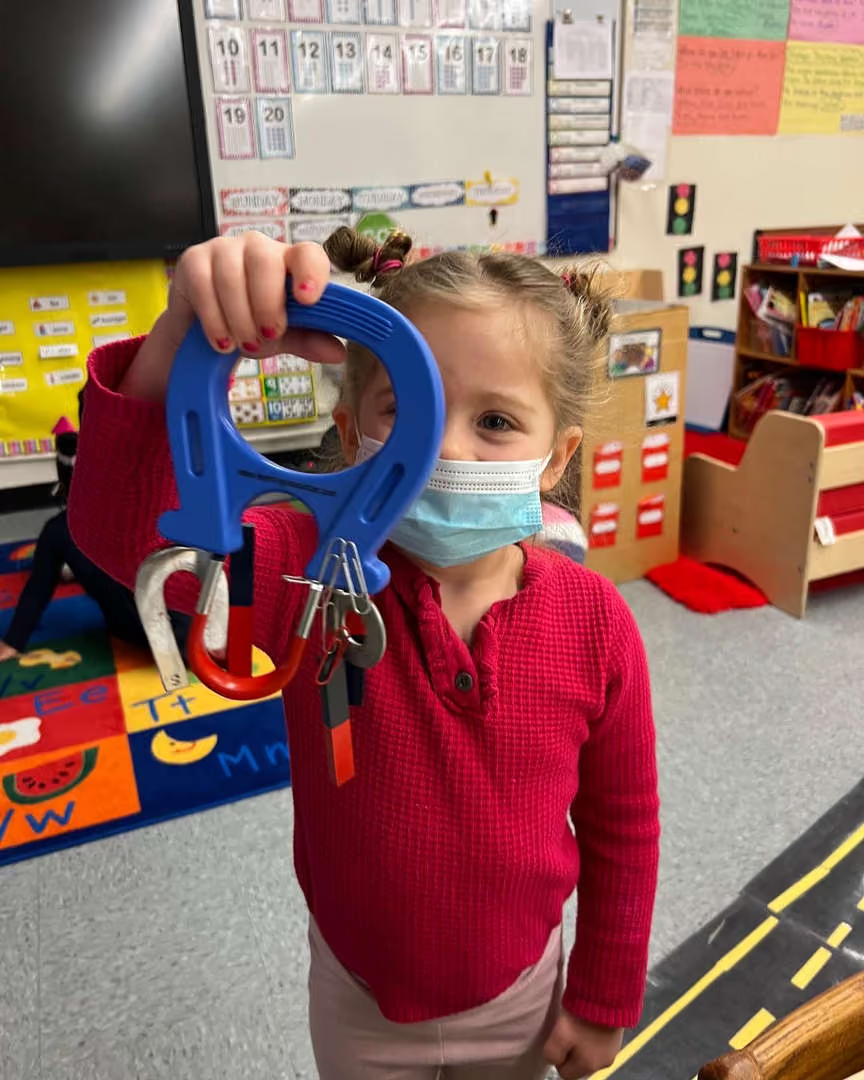
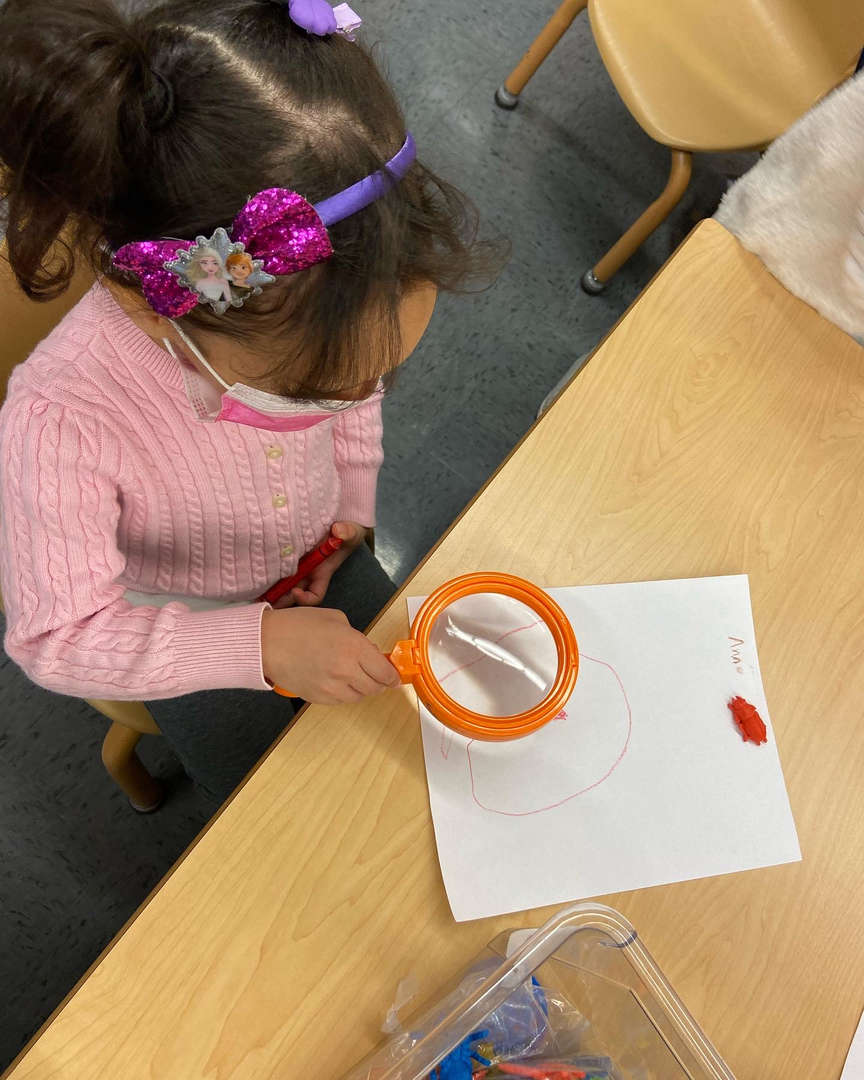
Preparing a science expo project is an excellent example of what education experts call active learning or inquiry (also "hands-on" learning). It is a very effective instructional method; indeed, it is recommended as a cornerstone of successful science teaching. Yet, according to the National Research Council, active learning is not employed often enough in the classroom and its absence is seen as one of the key factors behind kids losing interest in science and not performing to their potential.
The science expo is conducted for many reasons:

- To focus attention on scientific experiences in school.
- To stimulate interest in scientific investigation beyond routine class work.
- To recognize and commend youthful scientific talent and hobby pursuits.
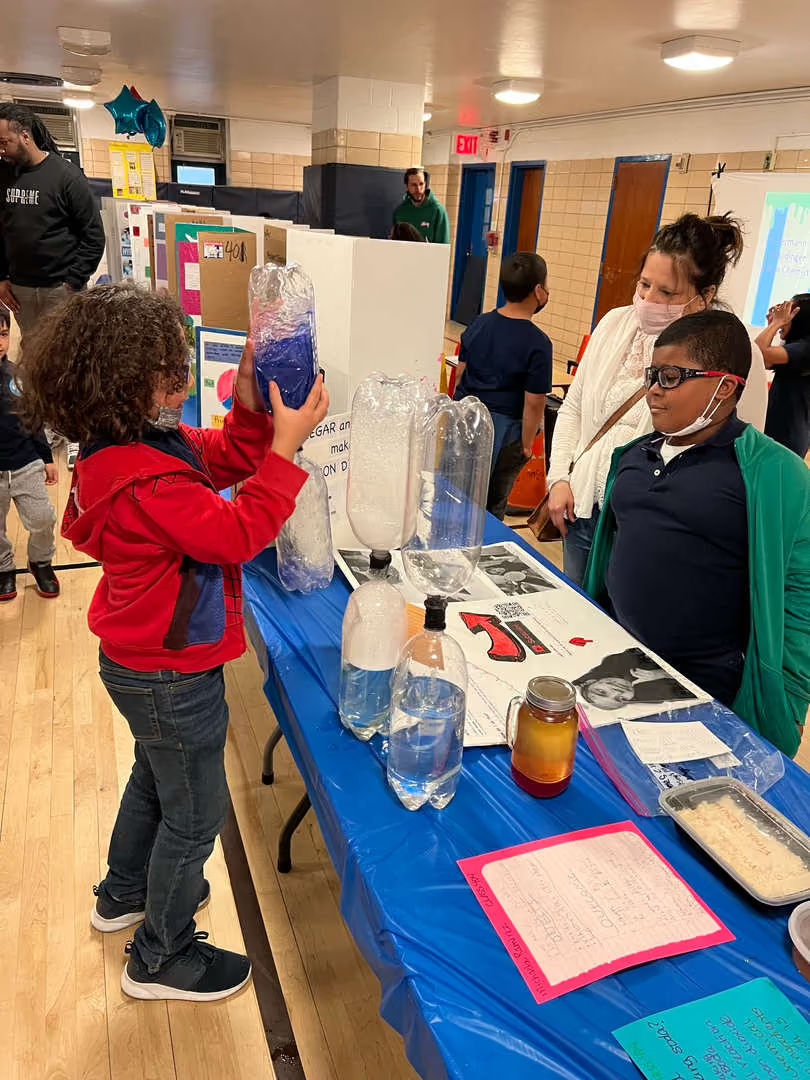
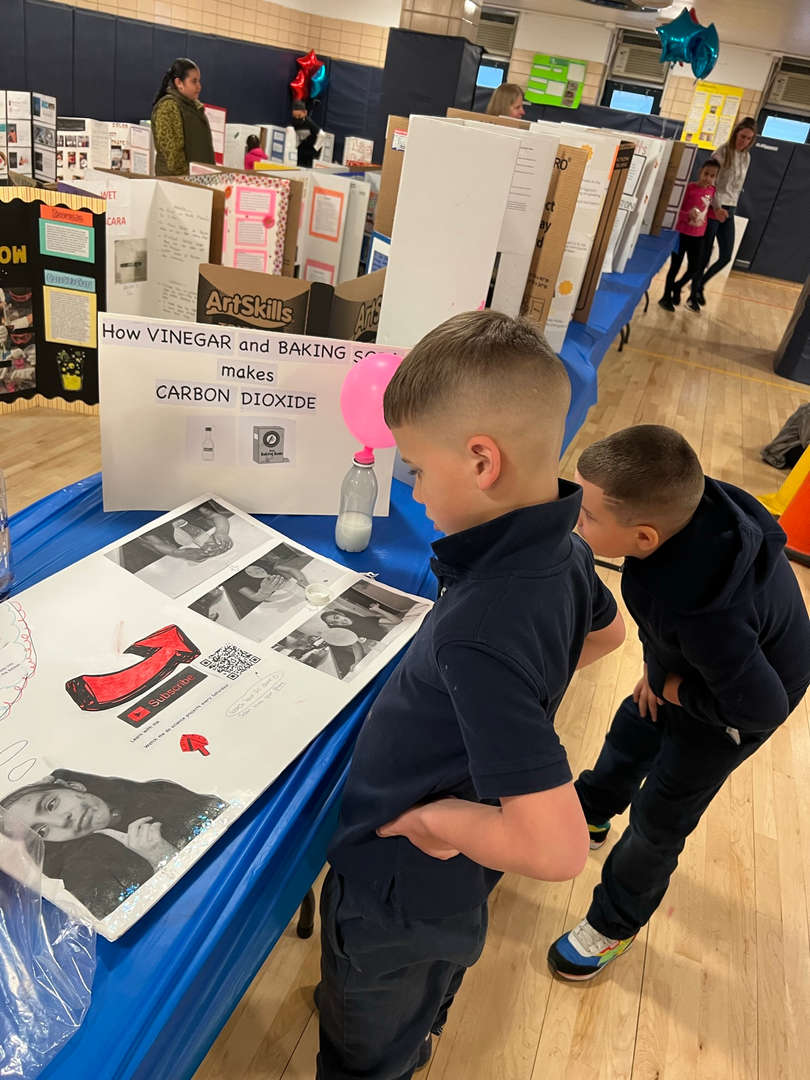
- To offer an opportunity for the display of scientific talent through exhibit and demonstration.

P.S. 304
Early Childhood Lab School


2750 Lafayette Ave,
Bronx, NY 10465