
.avif)



Support Services

The Role of MTSS (Multi-Tiered Systems of Support)
In accordance with schools must be accessible for all learners, despite the needs and approaches to education, PS 304 Early Childhood Lab School has adopted the belief, “Every Student, Every Day.” The approach takes into consideration all the important factors to support students in being successful. This includes academic, behavioral, and social-emotional components, which educate the “whole child” and provide them with the strong foundation they will need to be successful, proactive, and prepared citizens of our global community. Our Approach to Braiding Frameworks to Support
Students’ Academic Multi-Tiered Support: Through the idea of braiding multiple frameworks to support student success, P.S. 304 builds upon various curriculums and frameworks to develop an approach that supports the whole child. These ideologies and frameworks include: · Academic interventions and enrichment supports


Social-Emotional Trauma-Informed Instruction and school-wide beliefs
Behavioral Expectations based on a PBIS framework for success
Equity through the lens of Culturally Relevant Pedagogy and Sustaining Education.
Using these braided systems in teaching and learning provides students with the success that they need to be able to succeed
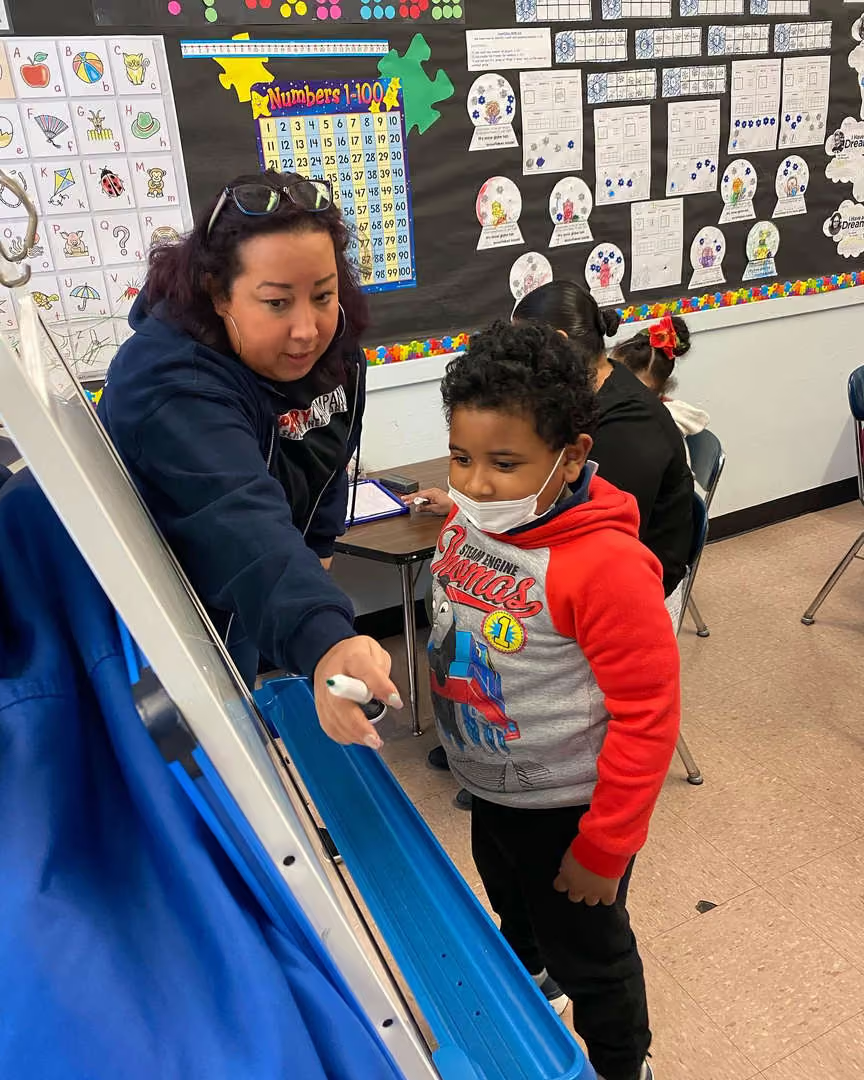
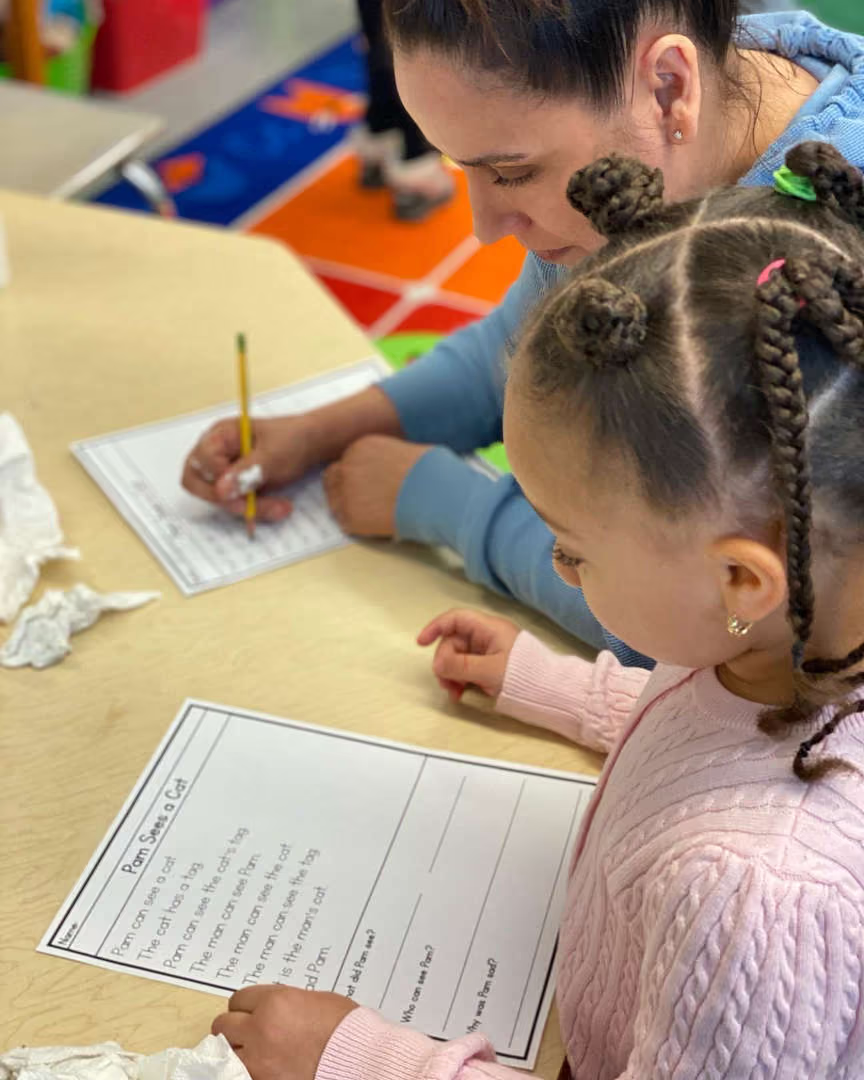
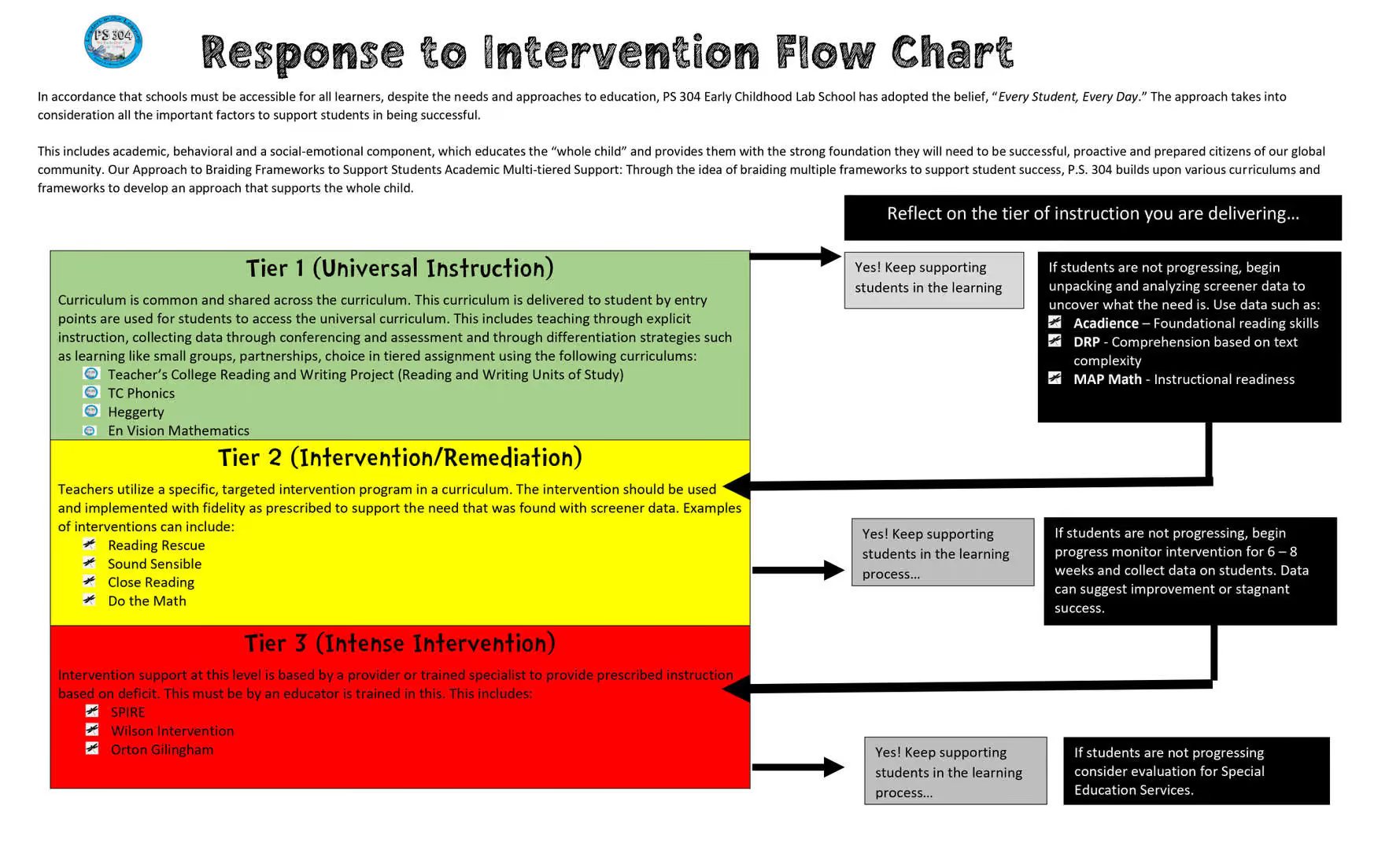
Response to Intervention Flow Chart
In accordance that schools must be accessible for all learners, despite the needs and approaches to education, PS 304 Early Childhood Lab School has adopted the belief, "Every Student, Every Day." The approach takes into consideration all the important factors to support students in being successful.
This includes academic, behavioral and a social-emotional component, which educates the "whole child" and provides them with the strong foundation they will need to be successful, proactive and prepared citizens of our global community. Our Approach to Braiding Frameworks to Support Students Academic Multi-tiered Support: Through the idea of braiding multiple frameworks to support student success, P.S. 304 builds upon various curriculums and frameworks to develop an approach that supports the whole child,
The Process for an IEP
There are times when your child may need extra support services in the form of an Individualized Education Plan (IEP).
After your child received intervention in and out of the classroom with two cycles of intervention (both approximately 6 – 8 weeks), you may consider an evaluation that assesses students for other areas of academic need. This includes the process of
Initial Evaluation - The DOE will evaluate your child in all areas related to the suspected disability. The evaluation includes all of the following:
Social History - An interview with you to get information about your child’s development and family history.
Psychoeducational - A test that looks at what your child knows and how he or she learns.
Observation - A study of your child in his or her classroom.
Physical Examination - A recent report of your child's vision, hearing, and general health from your doctor. If you have trouble getting this, ask the IEP team, CSE or CPSE to help you get an examination at no cost.
Other Assessments, When Needed
- Speech and Language
- Sign Language Fluency
- Occupational and/or Physical Therapy
- Functional Behavior Assessment (FBA)
- Assistive Technology (AT)
- School records
- Teacher assessments
- Interviews to determine work skills and interests, if your child is 12 or older
The WIN Period ("What I Need...")
Purpose of the WIN Period: The WIN period, short for “What I Need,” is a dedicated academic learning time designed to meet students’ specific academic needs based on diagnostic assessments and screeners administered at the beginning of the year. WIN allows for targeted support, whether through intervention or enrichment, based on students’ performance in literacy and other key areas. The goal is to ensure each student receives the exact instruction they need to grow, whether that means additional support or advanced learning opportunities.
Student Assessment and Placement: At the start of the school year, all students participate in assessments such as i-Ready and Acadience. These assessments are used to identify students’ strengths and weaknesses in reading skills, including phonics, comprehension, fluency, and vocabulary. For example, a low score in phonics on Acadience could indicate the need for focused phonics support. Based on these scores, students are grouped according to their needs and assigned to specific intervention programs within the WIN period. Benchmarks and specific criteria for each program vary, but typically a score below grade-level expectations signals the need for targeted intervention.
Intervention Programs and Their Focus
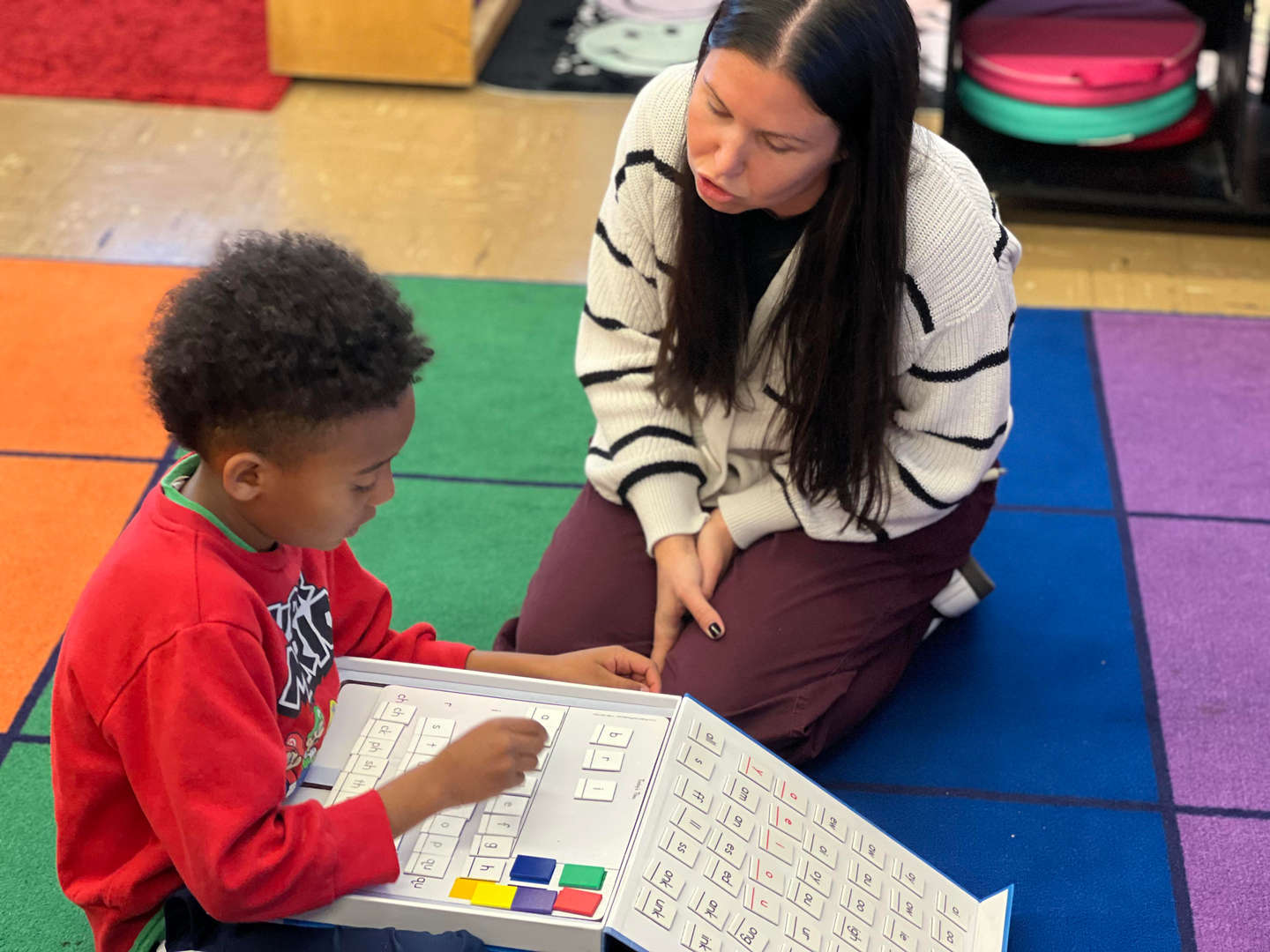
- SPIRE: SPIRE (Specialized Program Individualizing Reading Excellence) is a multi-sensory, structured reading intervention designed for students who need significant support in phonemic awareness, phonics, and fluency. It follows the Orton-Gillingham approach, which is systematic, explicit, and highly structured. SPIRE is often used with students who show low scores in phonemic awareness and decoding, as identified by assessments like Acadience.
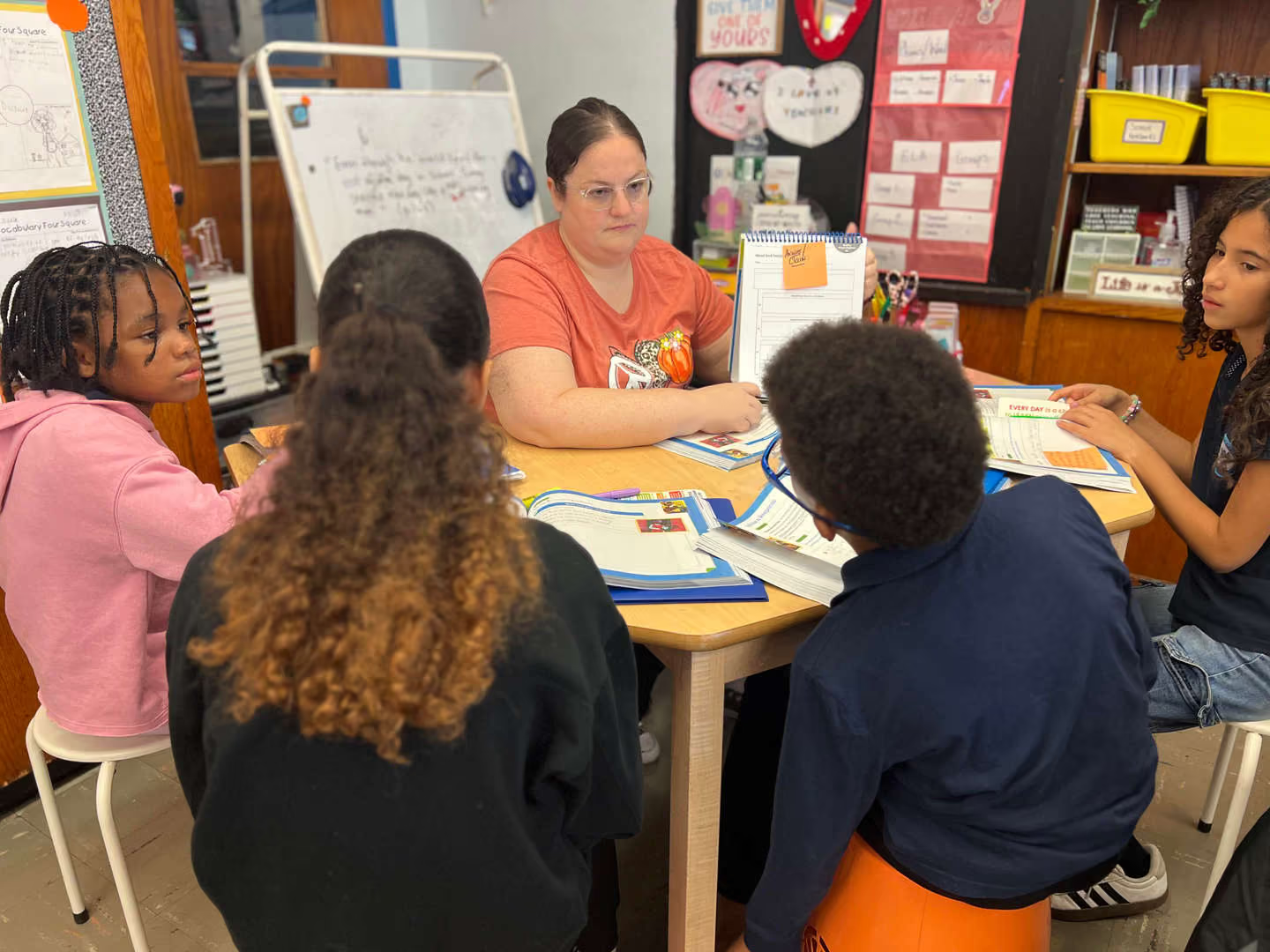
- STARI (Strategic Adolescent Reading Intervention): STARI is a targeted intervention for older students (typically in grades 6-8) who are struggling with reading comprehension and fluency. It uses high-interest texts and focuses on
comprehension strategies, vocabulary development, and fluency practice. STARI is especially effective for students who, according to i-Ready or Acadience results, are reading below grade level but show some foundational skills in place. - Phonics for Reading: Phonics for Reading is a phonics-based intervention that systematically builds decoding skills for students who need additional support in this area. This program is well-suited for students who need explicit phonics instruction to improve reading accuracy and fluency. Students are typically placed in Phonics for Reading if they score in the “below expectations” range on phonics-specific assessments, indicating they need targeted phonics instruction.
- Wilson Intervention: The Wilson Reading System is another Orton-Gillingham-based program focusing on students with significant reading challenges, including dyslexia. It addresses phonemic awareness, phonics, and decoding, often through intensive, one-on-one, or small-group instruction. Wilson is often used for students who score very low on phonics and decoding assessments, indicating a need for intensive, multi-sensory instruction in these areas.
Data Benchmarks and Placement:
Student placement in interventions is based on benchmark scores from assessments. Forexample, in i-Ready, a score in the “Tier 2” or “Tier 3” range suggests a need for intervention, while Acadience benchmarks may show specific skill deficits in areas like phoneme segmentation or nonsense word fluency. Regular progress monitoring is essential, with teachers reassessing students to ensure they’re placed in the correct intervention group or to transition them to a different level if they demonstrate progress.
Role of Enrichment in WIN
While some students need intervention, others may be working at or above grade level. For these students, the WIN period provides enrichment opportunities that extend their learnin and deepen their engagement with literacy.
- Article of the Day: This enrichment activity involves students reading and discussing a short article each day. It promotes reading comprehension, critical thinking, and vocabulary building. The articles are typically on high-interest or current event topics, which engages students and helps them practice reading strategies in a meaningful context. For students who meet or exceed benchmark expectations, “Article of the Day” provides an enriching experience that pushes them beyond basic comprehension.
- Student-Guided Practices and Research Using SeeSaw: For independent exploration and skill-building, SeeSaw offers a platform where students can engage in self-guided practice, creative projects, or research assignments. This digital tool allows students to research topics of personal interest, present their findings, and share their work with teachers and classmates. By using SeeSaw, students develop digital literacy, research skills, and a deeper engagement with their interests.
Monitoring and Adjustments
Teachers continuously monitor each student’s progress through formative assessments an regular benchmarks. During the WIN period, students may move between groups if assessments
indicate they would benefit from a different level of support or challenge. Regular communication with parents ensures that they are informed of their child’s progress and can support learning at home.
The WIN period thus ensures that all students, regardless of starting point, receive personalized, data-driven instruction tailored to their academic needs. By addressing foundational skills or fostering advanced literacy practices, WIN maximizes each student’s opportunity to grow as a reader and learner.
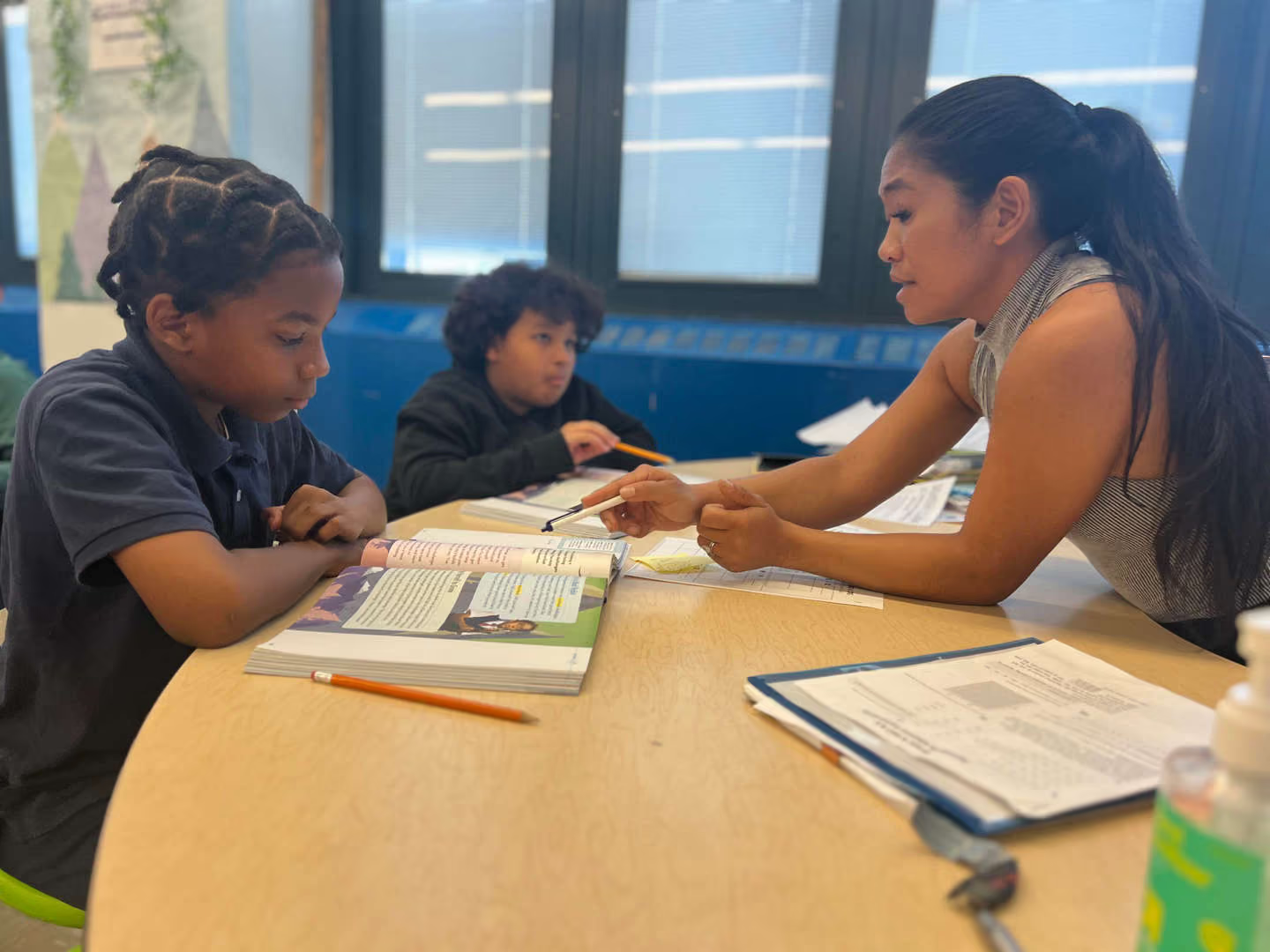
Types of Special Education Support
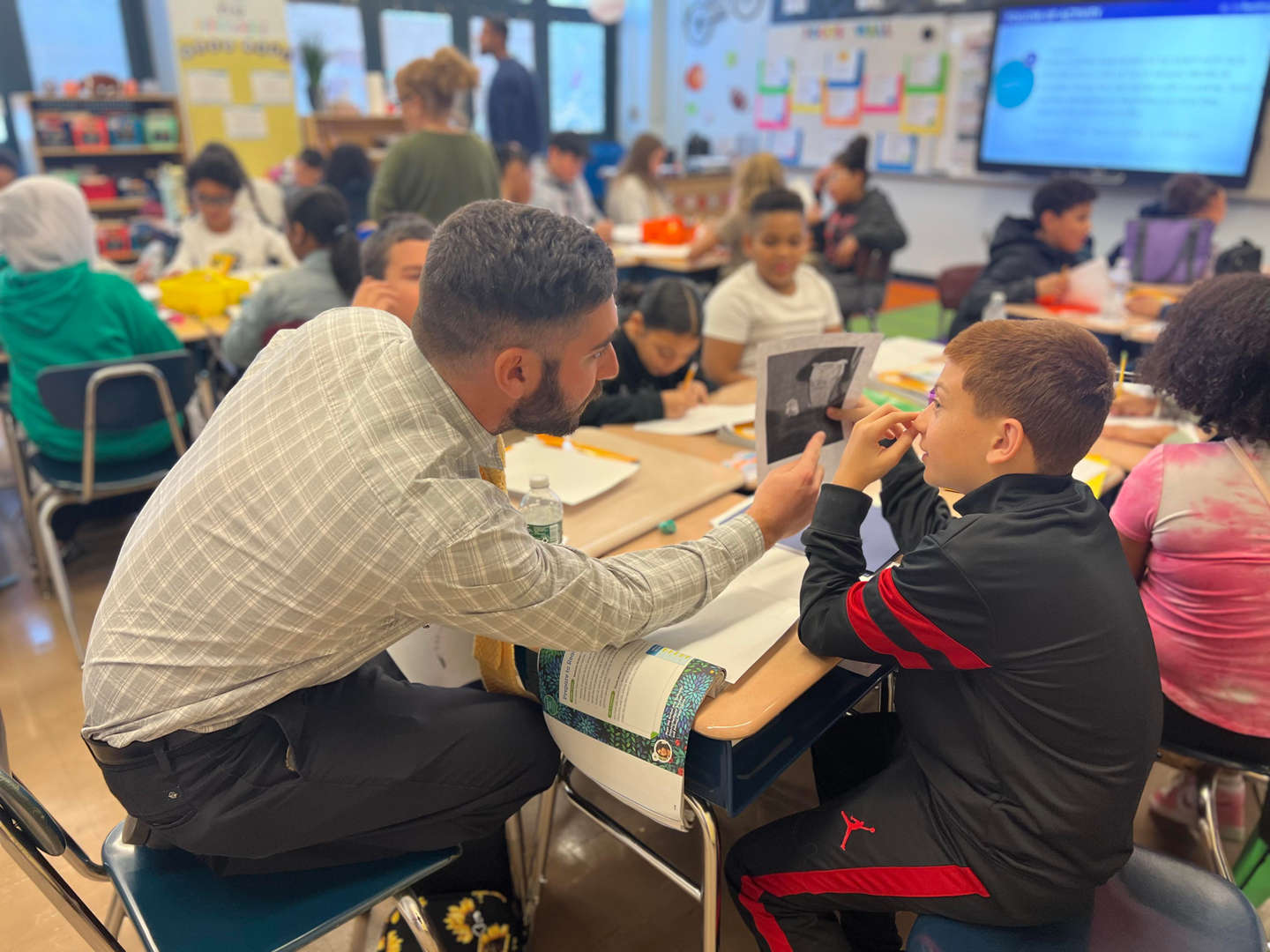
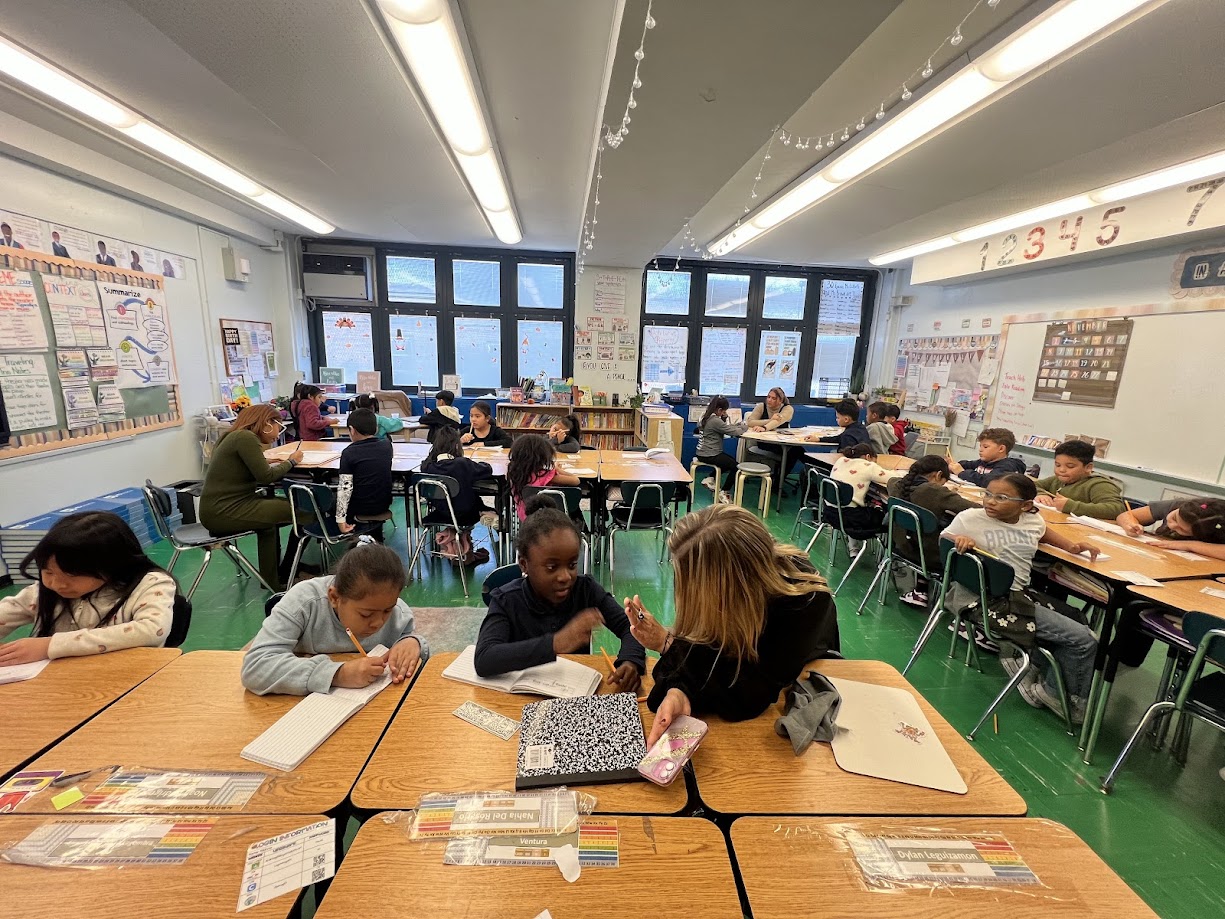
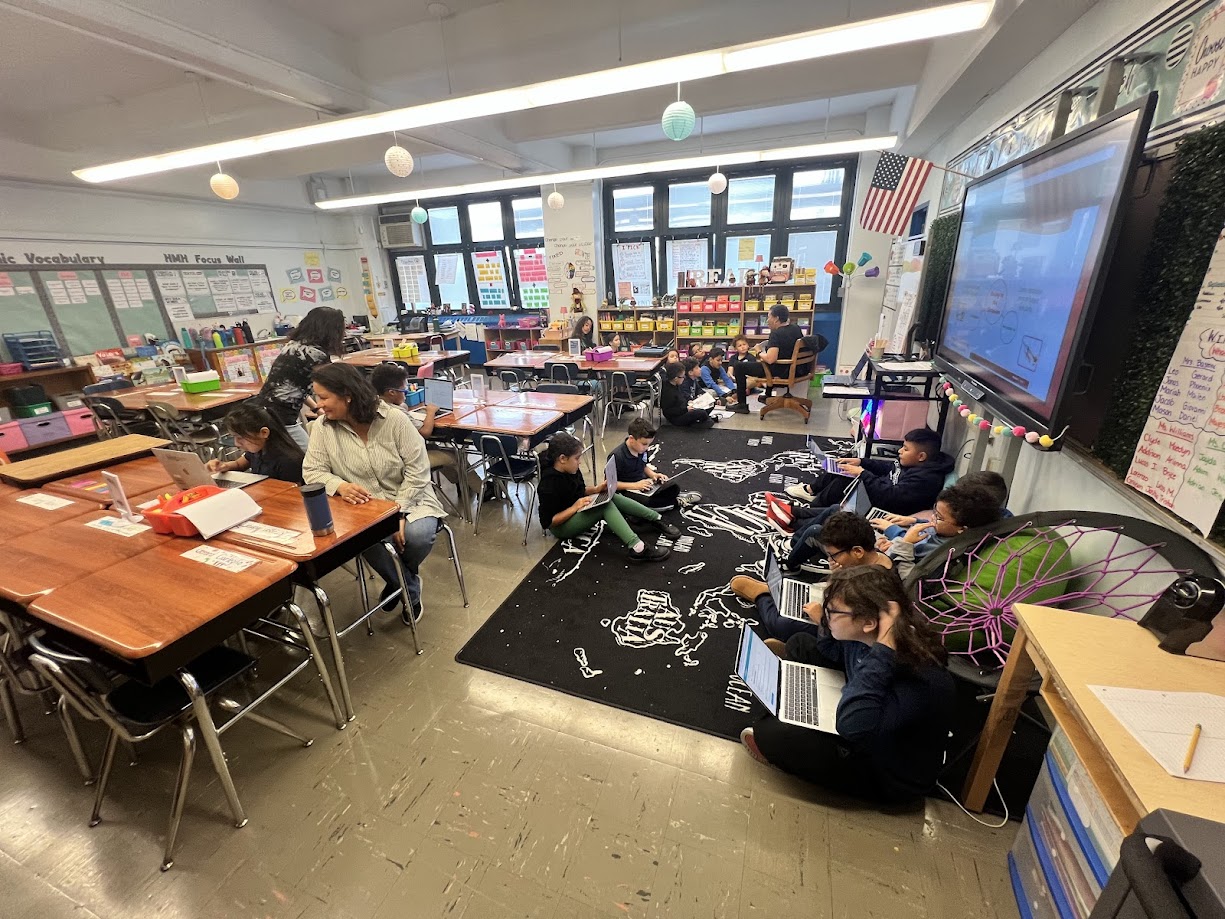
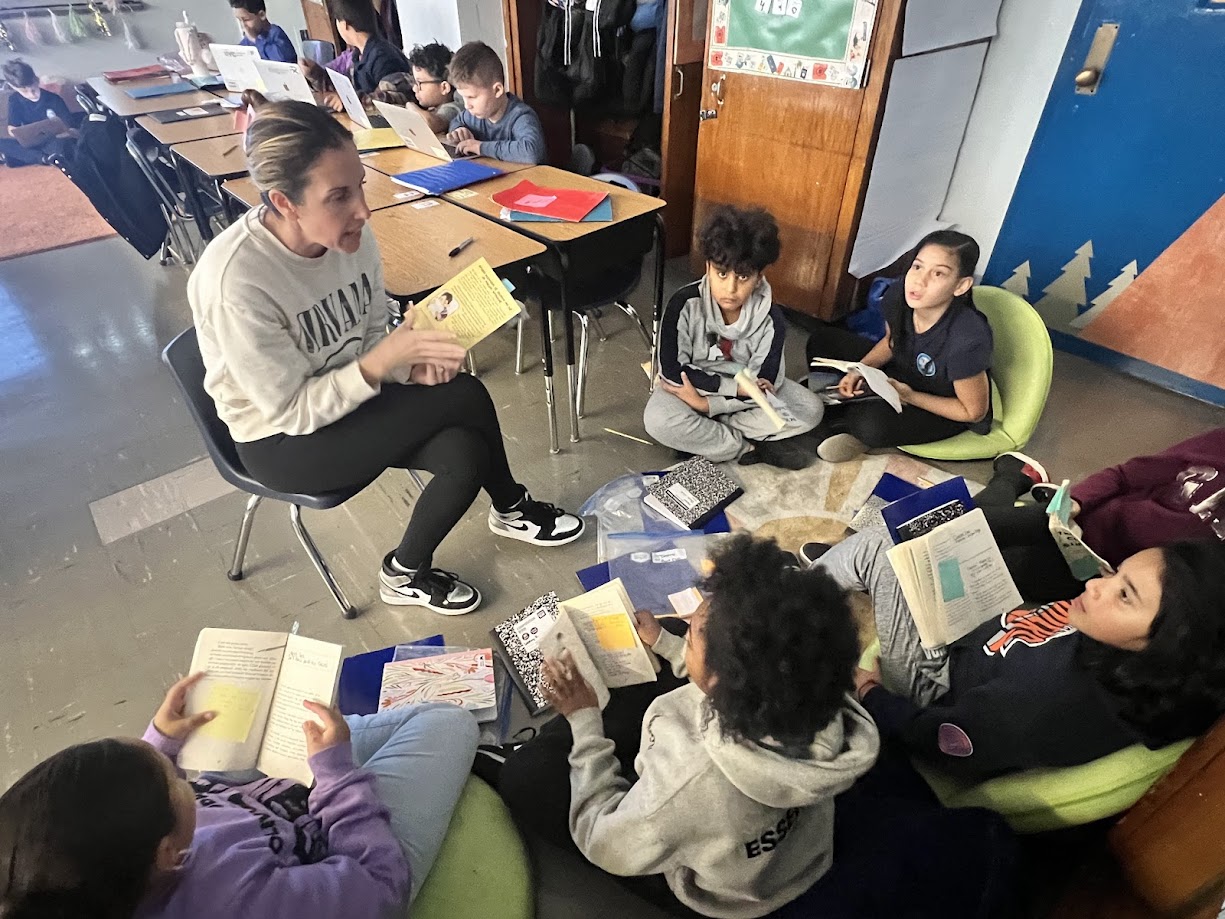
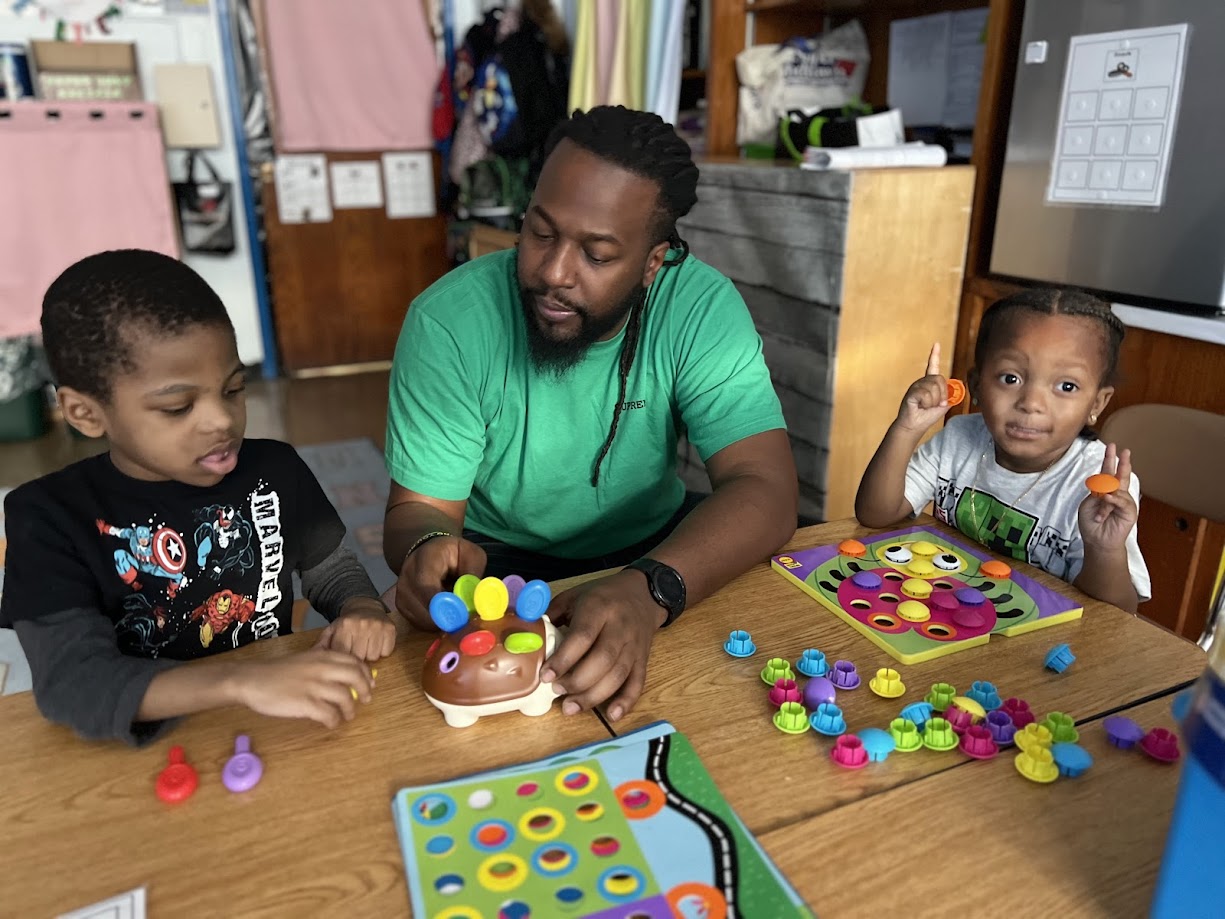
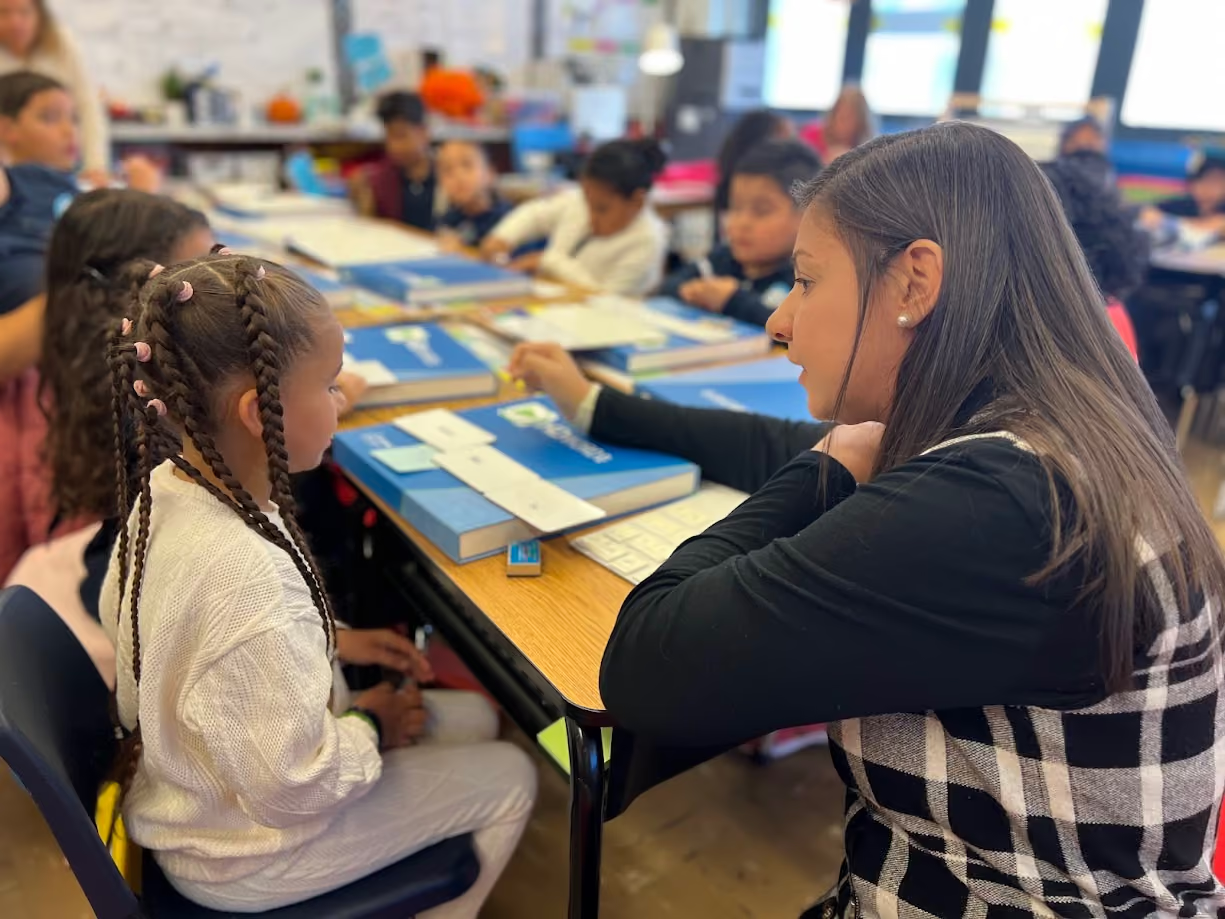
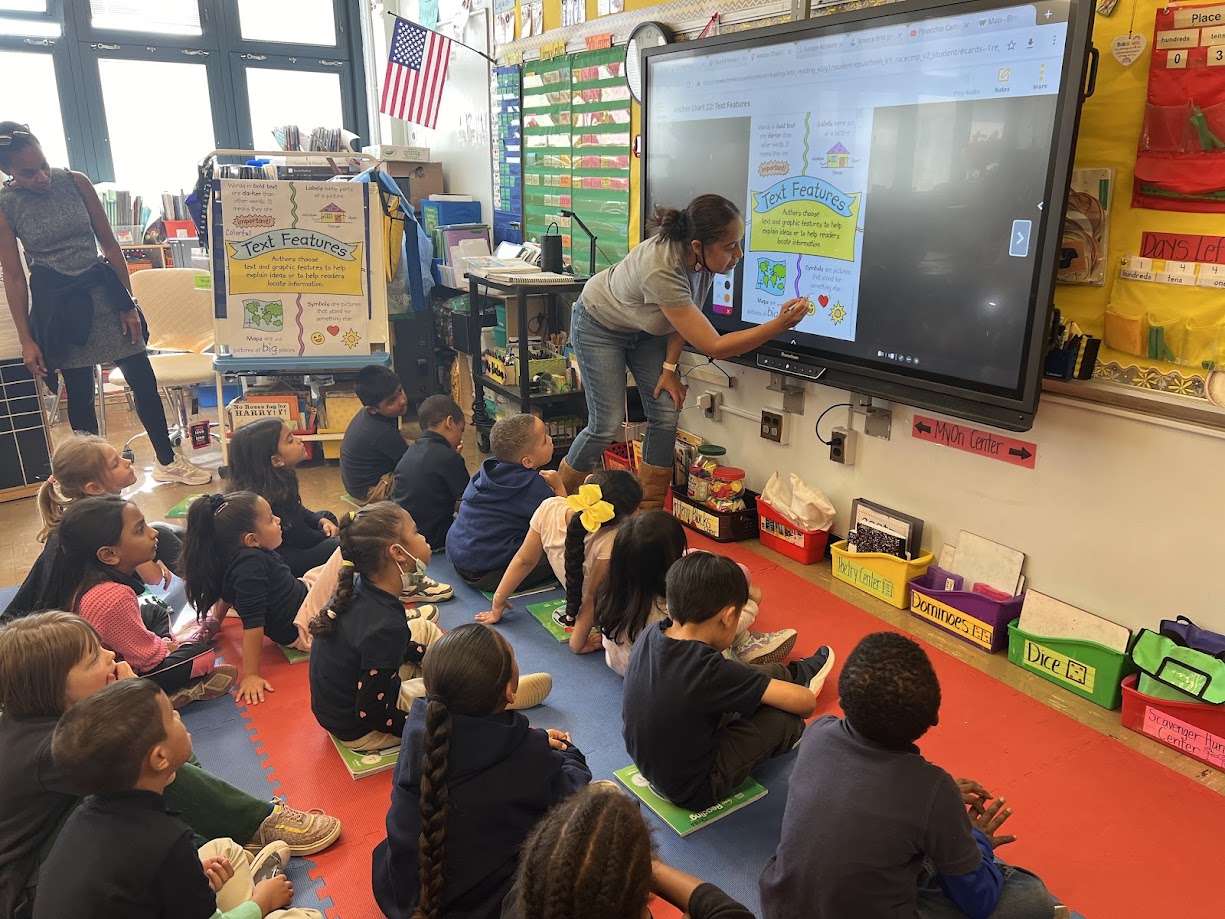
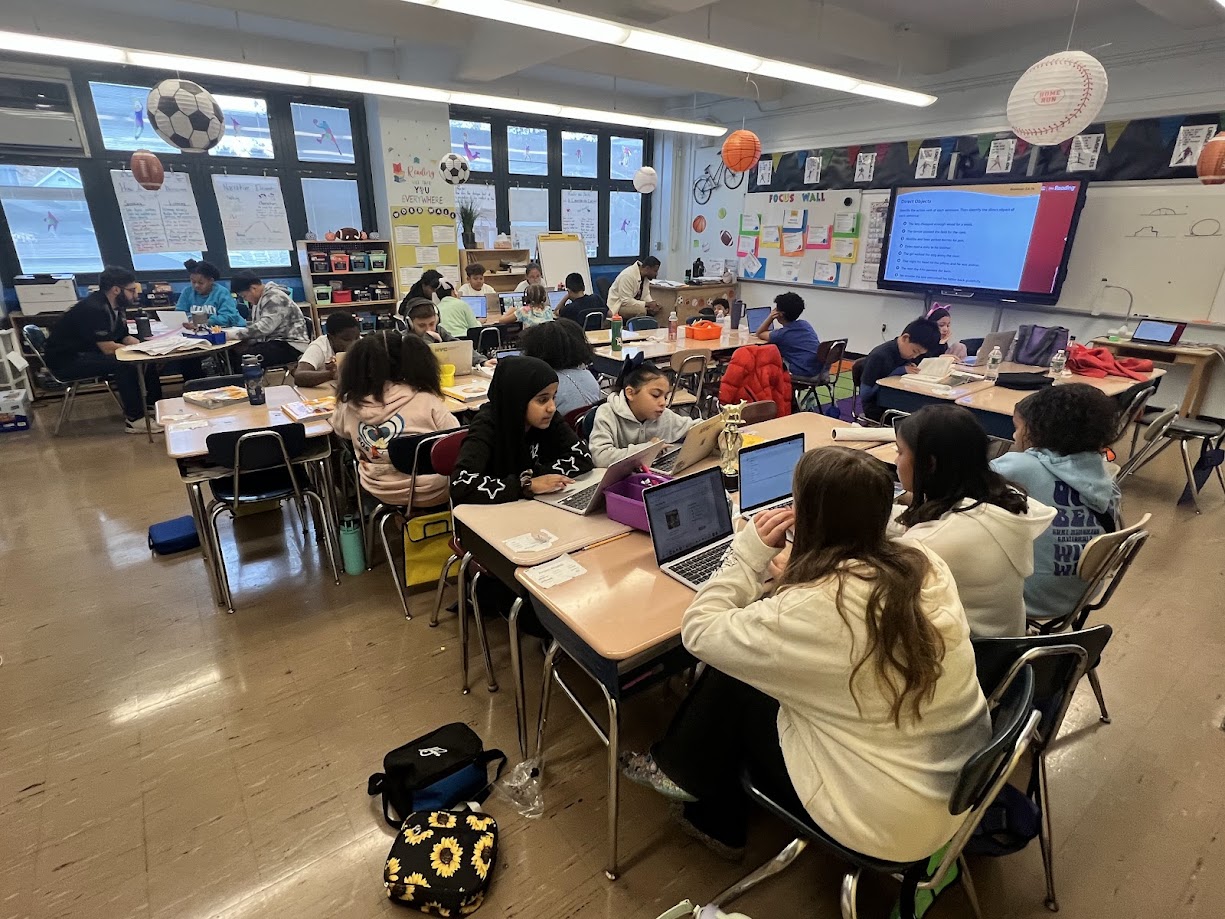
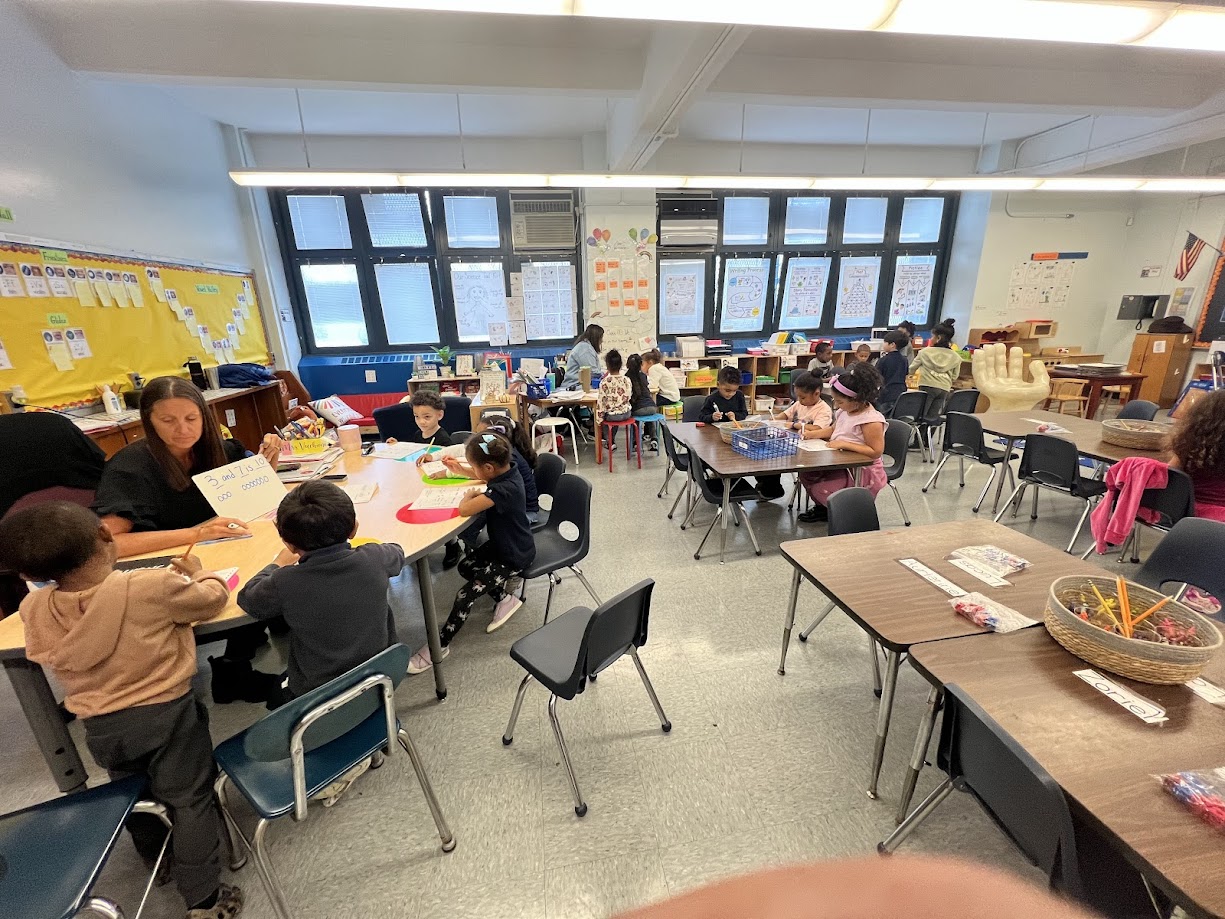
Integrated Co-Teaching (ICT) is a type of special education service in which one general education teacher and one special education teacher work together in the same classroom to support and teach children with and without identified disabilities together. The following models can be identified within the school:
- Team Teaching: Both co-teachers deliver instruction to the whole group at the same time.
- One Teach, One Observe: While one teacher leads the lesson, the co-teacher collects specific data about the students, the co-teacher, or the environment.
- Station Teaching: Teachers divide content and students. Three groups of students rotate through three stations in which they work on non-hierarchical activities.
- Parallel Teaching: Two co-teachers teach the same content to separate groups simultaneously.
- Alternate Teaching: One teacher works with a large part of the class while the co-teacher works with a smaller group.
- One Teach, One Assist: one teacher leads instruction while the co-teacher circulates providing unobtrusive help as needed.
Special Class (12:1:1) is a type of special education service in which one special educator and a paraprofessional work together in a classroom to teach children with identified disabilities together.
SETSS Special Education Teacher Support Services (SETSS) are special education services that may be recommended on a student’s IEP. In a traditional circumstance, SETSS is delivered in three ways:
- Direct service in a General Education Classroom – SETSS provider meets with students in their regular classroom(s) to address IEP goals and provide instructional support promoting the student’s access to the general education curriculum.
- Direct service in a Separate Location – SETSS provider meets with students in a designated place outside of the regular classroom to address IEP goals, and deliver specialized supplementary instruction and support.
- Indirect service – A special education teacher consults with the general education classroom teacher on behalf of the student.
Identifying and Supporting English Language Learners
The English as a New Language (ENL) program used to be called English as a Second Language (ESL). It provides instruction in English with support in the students’ home language so that they can learn to read, write, and speak English. Students from many different language backgrounds are taught together, and English may be the only common language among them. The goal of the program is to provide instruction in English with support in the student's home language until they become English proficient.
By utilizing a "push-in" and a "pull-out" model, our ENL providers support language development and socialization by immersing our students in content area learning through multiple entry points aligned to language acquisition. This allows students the ability to engage in learning and interacting with students with the conventions of English while simultaneously learning language and content!
Counseling Through the Arts (Art Therapy)
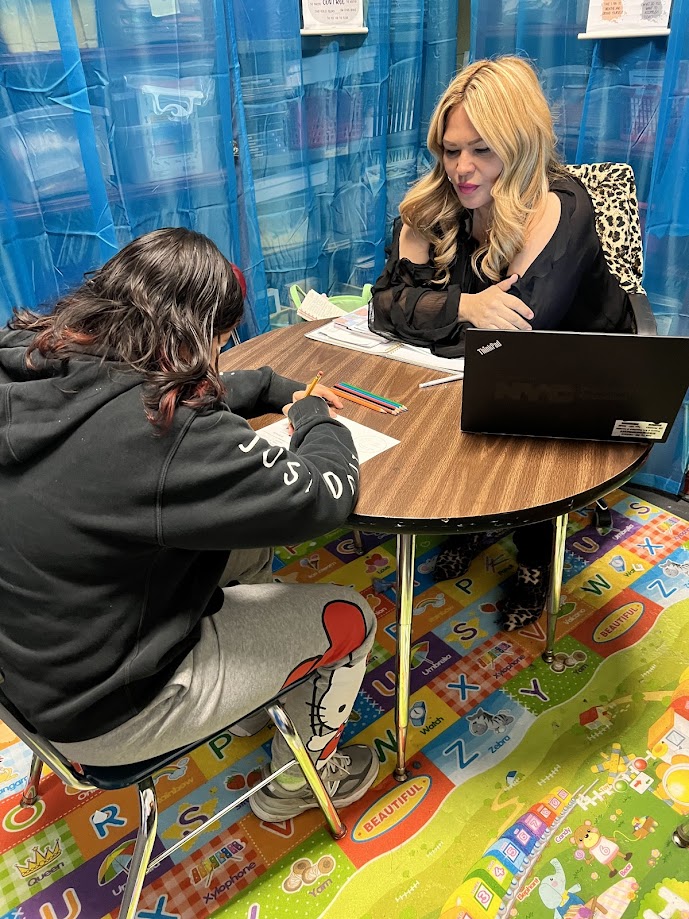
Is a space where children are welcomed however they are feeling! They can come read, play, draw, talk and socialize. They can talk about their day, what they did over the weekend or anything they have on their mind. They can come and take a break if they feel overwhelmed or just sit quietly. Ms. Estrella is here for them.
During therapy sessions, Ms. Estrella uses drawing prompts or give them books which the children look through and use for ideas in drawings. Each child has a folder where they can keep their work, or they can take it home. For my students having a folder here gives them a sense of belonging in this space. Sometimes they come in and just want to sit and talk and that is ok too. I work to provide them with behavioral strategies and techniques they can use to cope and regulate emotions.
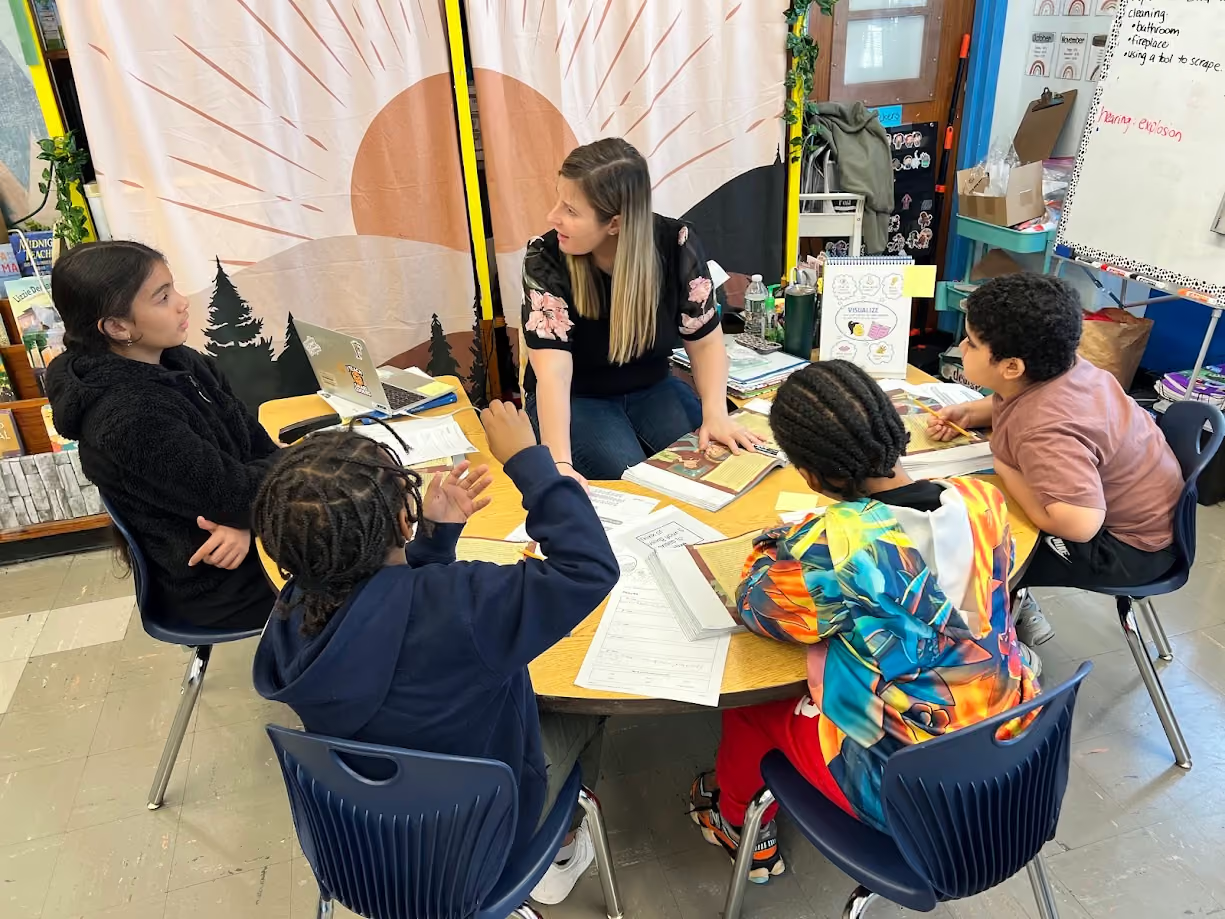
Of course, environment is everything and that is why this space has curtains, lighting and color to create a welcoming, cozy and inclusive environment. This space has a round table that allows the children to maintain eye contact with one another and with me. It has everything you need to be creative, starting with drawing paper, crayons, color pencils, markers, watercolor and paint!
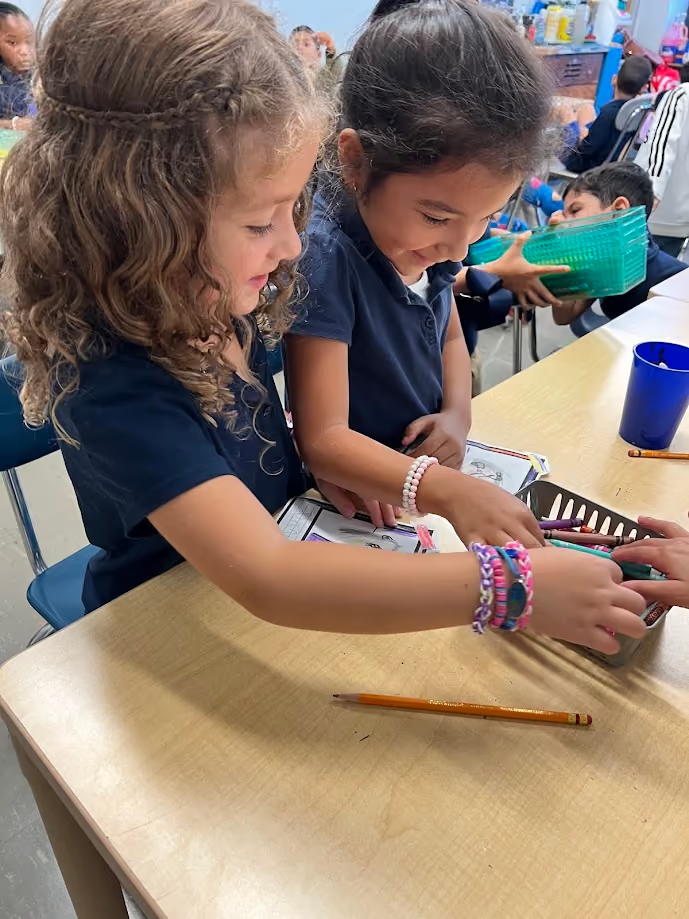
During group sessions children can interact more freely with one another. Sometimes Ms. Estrella will do some stretching exercises before starting our group sessions. Overall, the counseling through the arts room is a great space that fosters individualism, creativity, growth, socialization, a sense of belonging, and healing. It is a therapeutic space where children feel safe.

P.S. 304
Early Childhood Lab School


2750 Lafayette Ave,
Bronx, NY 10465